
You hear about it at every dental visit: “Make sure you’re brushing and flossing to remove plaque!” But what exactly is plaque, how does it form, and why is it such a persistent enemy of your oral health? At All About Teeth, we believe that understanding the basics is the first step to effective prevention. Plaque is a sticky, colorless film of bacteria that constantly forms on your teeth. Left unchecked, it’s the primary culprit behind common dental problems like cavities and gum disease. Let’s delve into what plaque is and, more importantly, the best practices to keep it under control.
The Formation and Dangers of Dental Plaque
Plaque is not just leftover food; it’s a living, growing community of bacteria that adheres to your tooth surfaces, especially along the gum line and between your teeth. It begins forming almost immediately after you eat or drink, as bacteria in your mouth combine with food particles and saliva. These bacteria thrive on the sugars and starches in your diet, producing acids as a byproduct.
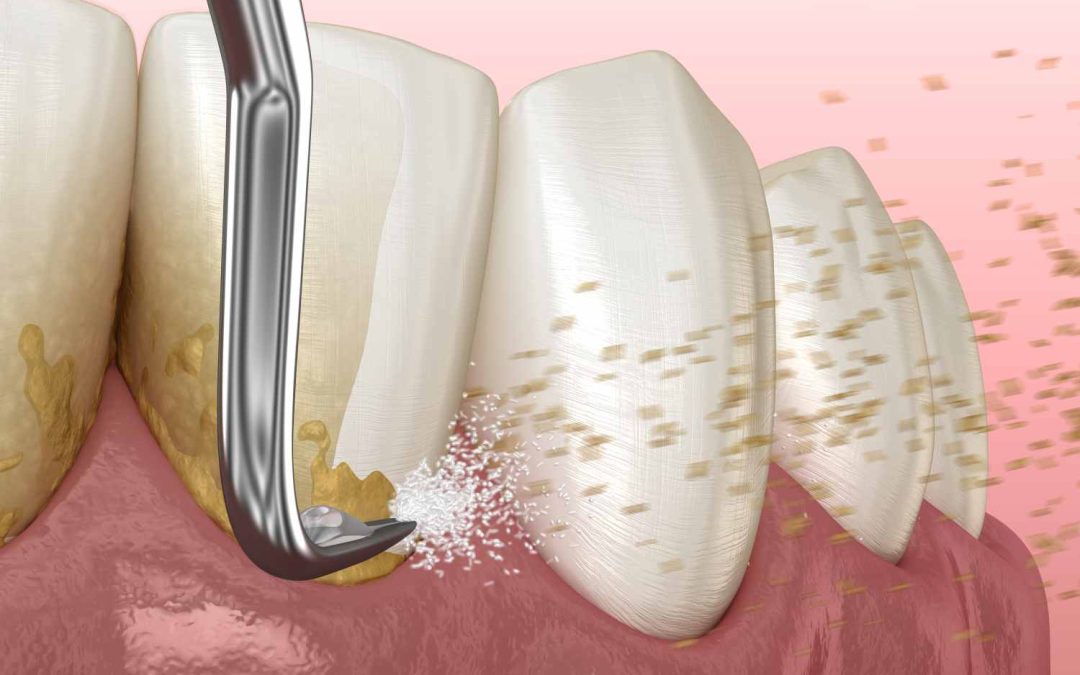
It’s these acids that pose the real threat to your oral health. They attack and erode your tooth enamel, leading to cavities. Over time, if plaque isn’t consistently removed, it can harden into tartar (calculus), a calcified deposit that can only be removed by a dental professional. Tartar creates a rough surface that makes it even easier for more plaque to accumulate, accelerating the cycle of decay.
Beyond cavities, plaque and tartar irritate your gums, leading to gingivitis, the earliest stage of gum disease. Symptoms include red, swollen, or bleeding gums. If left unaddressed, gingivitis can progress to periodontitis, a more severe form of gum disease where the gums pull away from the teeth, forming pockets that become infected. This can eventually lead to bone loss and even tooth loss, highlighting the importance of regular periodontics care.
Your Best Defense: Preventing Plaque Buildup
The good news is that plaque is largely preventable through consistent and effective daily oral hygiene. Here are the cornerstone practices we recommend at All About Teeth:
- Brush Your Teeth Twice a Day: Use a soft-bristled toothbrush and fluoride toothpaste. Brush for at least two minutes, ensuring you cover all surfaces of your teeth – the outer, inner, and chewing surfaces. Pay special attention to the gum line. Fluoride is crucial as it helps remineralize tooth enamel and makes teeth more resistant to acid attacks.
- Floss Daily: Brushing alone cannot reach the plaque and food particles nestled between your teeth and under the gum line. Daily flossing is essential to dislodge these hidden culprits. Consider alternatives like water flossers if you find traditional flossing challenging; you can learn more about “Water Flosser vs. Regular Floss: Which is Better?” on our blog.
- Clean Your Tongue: As we discussed in “Should You Brush Your Tongue? Why It’s More Important Than You Think“, your tongue can harbor bacteria that contribute to plaque formation and bad breath. Incorporate tongue cleaning into your routine.
- Use an Antimicrobial Mouthwash (If Recommended): While not a substitute for brushing and flossing, an antimicrobial mouthwash can help reduce bacteria in your mouth. Consult with your dentist at All About Teeth to see if a mouthwash is beneficial for your specific needs, and read our blog about “Does Mouthwash Really Work?“
- Eat a Balanced Diet and Limit Sugary Snacks: Sugars and starches fuel plaque-producing bacteria. Minimize frequent snacking and choose nutritious foods. Be especially mindful of “Holiday Foods and Your Teeth: What to Watch Out For” and “6 Foods That Are Bad for Your Teeth“.
- Schedule Regular Dental Check-ups and Cleanings: Even with the most diligent home care, some plaque and tartar buildup is inevitable. Professional teeth cleanings in Logan, UT are vital for removing hardened tartar and polishing your teeth, creating a smoother surface where plaque is less likely to adhere. Our team can also identify early signs of decay or gum issues, often before they become painful, demonstrating the value of preventative dentistry.
By understanding what plaque is and diligently implementing these preventative measures, you can significantly reduce your risk of cavities and gum disease. At All About Teeth, we are your partners in maintaining optimal oral health. Contact us today to schedule your next appointment and keep your smile healthy and strong!
Recent Comments