
Dental Implants
People with missing teeth or dentures are often amazed by the difference implants can make in their lives.
Implant Surgery at All About Teeth
At All About Teeth, we believe that a beautiful smile can change your life. Our goal is to provide exceptional dental care, and dental implant surgery is one of our specialties. If you have lost a tooth or need a replacement, our implant surgery is designed to help you reclaim your confidence with a complete, natural-looking smile.
Procedure Details
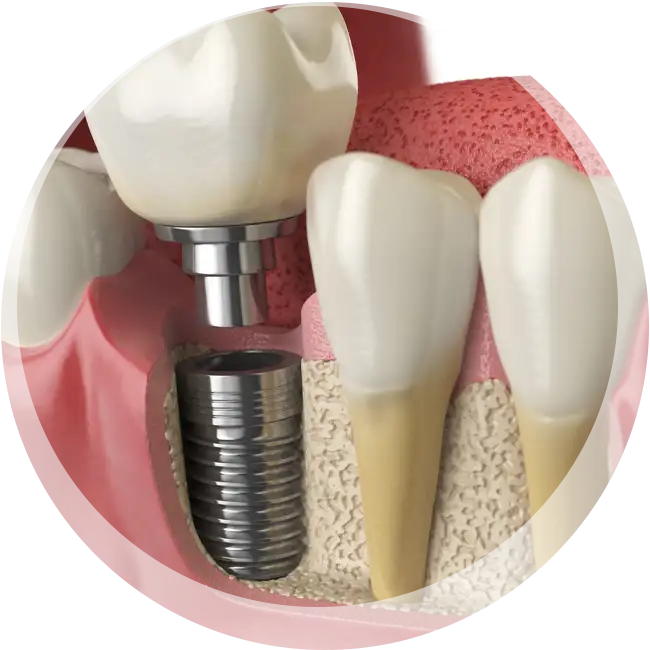
When you decide to move forward with dental implant surgery at our clinic, you are choosing precision and professionalism. The process starts with a comprehensive evaluation to assess your oral health and determine if you have sufficient bone density to support the implant. Once cleared for the procedure, we will carefully plan your treatment, ensuring everything is customized to your unique needs.
During the surgery, a titanium post is implanted into your jawbone, where it will naturally fuse over time, acting as a sturdy foundation for your new tooth. Depending on your specific case, this may take a few months to heal. But don’t worry—we will ensure you are comfortable throughout the entire process.
Types of Implants
We offer a variety of implant solutions to cater to your specific needs. From single-tooth implants to bridges and even full-mouth restorations, we have the expertise to provide a durable solution that best suits your situation. Our single-tooth implants are ideal if you need to replace one tooth, while bridges work best for those missing several adjacent teeth. For those needing extensive restoration, our full-mouth implant options offer the ultimate solution in smile transformation.
Aftercare
After the surgery, our commitment to your oral health doesn’t end. We provide detailed aftercare instructions to ensure your healing is smooth and efficient. It’s crucial to maintain good oral hygiene, which means regular brushing and flossing, and to attend follow-up appointments so we can monitor your progress. Our team is always available to answer any questions or concerns you might have during the healing period.
Choosing All About Teeth for your dental implant surgery means selecting a partner in your oral health journey. We’re dedicated to providing you with a smile you’ll be proud to show off!
Benefits and Longevity of Dental Implants
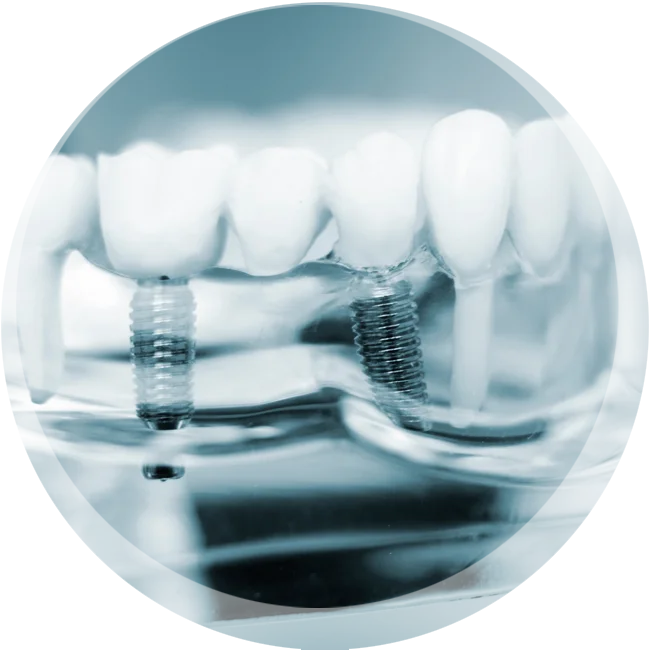
When it comes to tooth replacement, dental implants stand out for their numerous benefits and remarkable longevity. At All About Teeth, we believe that every patient deserves to know why implants are a worthy investment for their smile and oral health.
Advantages Over Other Tooth Replacement Options
Dental implants offer a significant advantage over other tooth replacement options like dentures or bridges. Implants are designed to integrate with your jawbone, offering unparalleled stability and functionality. Unlike dentures, which may slip or cause discomfort, implants feel and function like natural teeth, providing you the confidence to speak and chew without fear of slippage. They also preserve your jawbone’s structure, preventing the bone loss that typically occurs with missing teeth.
Furthermore, dental implants don’t require any alteration to adjacent healthy teeth, unlike bridges that need support from neighboring teeth. This means less impact on your natural teeth and a more conservative approach to restoring your smile. The result is a restoration that is seamless, both aesthetically and functionally.
Maintenance
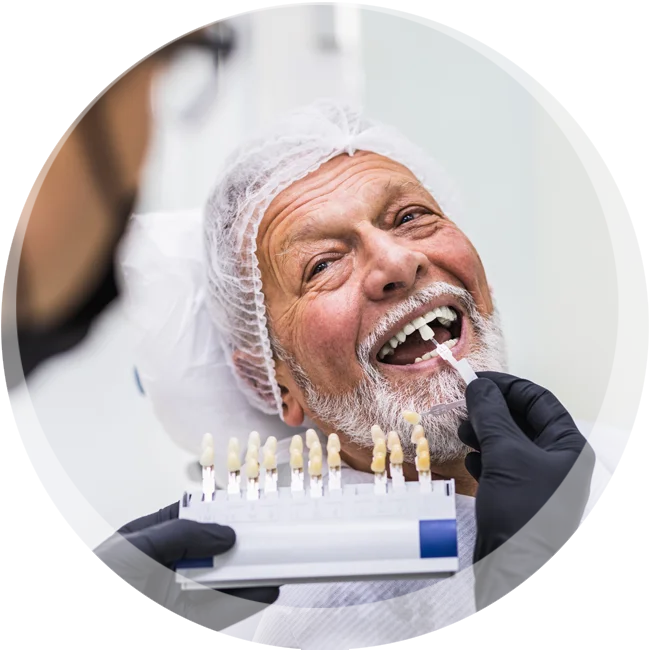
Maintaining dental implants is straightforward and similar to caring for natural teeth. At All About Teeth, we provide thorough guidance on how to keep your implants in optimal condition. Regular brushing and flossing, along with routine dental check-ups, will help maintain the health of your gums and surrounding structures.
While implants are highly durable, proper oral hygiene is crucial to their longevity. This includes ensuring that plaque does not build up around the implant area, as this can lead to complications such as peri-implantitis, an infection similar to gum disease. With consistent care and regular professional cleanings, your implants can remain healthy for many years to come.
Bone Grafting and Preparation for Implants
In the world of dental implants, a strong and stable foundation is crucial for long-term success. At All About Teeth, we understand that not all patients have the necessary bone density to support an implant right away. This is where bone grafting comes in—a vital step in preparing your jaw for a lasting, effective dental implant.
When is Bone Grafting Needed?
Bone grafting becomes essential when a patient’s jawbone lacks the density or volume required to hold an implant securely. This can be due to several factors, including prolonged tooth loss, which leads to natural bone resorption, gum disease, or injuries that have affected the bone. If a patient’s jawbone isn’t strong enough, it may not effectively anchor the implant, potentially leading to implant failure.
By performing a bone graft, we ensure that the implant will have a strong, stable base, increasing the chances of successful integration and the longevity of the implant.
Procedure Details
At All About Teeth, bone grafting begins with a thorough examination and imaging to assess the condition of your jawbone. Once the need for a graft is confirmed, the procedure can vary based on the severity of bone loss and the type of graft needed.
The process involves adding bone material to the deficient area, which can be sourced from the patient, a donor, or synthetic materials designed to mimic natural bone. The grafting material is placed where the bone needs to regenerate, and over time, the graft will fuse with the existing bone to create a denser, more robust structure.
The healing process is gradual and can take several months, but this step is crucial to ensure that the jawbone will be strong enough to hold the dental implant securely. During this time, we closely monitor your progress, providing guidance on how to best care for the grafted area to promote healing.
Dental Implants FAQs
What are dental implants?
How much do dental implants cost?
It’s important to note that while dental implants may have a higher upfront cost compared to other tooth replacement options, they are a long-term investment in your oral health. Implants are designed to last many years, often providing a more cost-effective solution over time. We also offer financing options and work with various insurance providers to help make the process more affordable. For a personalized estimate, we recommend scheduling a consultation where we can discuss your specific needs and create a detailed treatment plan.
Are dental implants covered by insurance?
We recommend contacting your insurance provider to understand your coverage details and any out-of-pocket expenses you might incur. Our team is also here to help navigate your insurance benefits and can assist with submitting claims and pre-treatment authorizations to maximize your coverage. Additionally, we offer flexible financing options to help manage any costs not covered by insurance. If you have any questions about your insurance or financing options, please don’t hesitate to ask during your consultation.
How long do dental implants last?
With good oral hygiene—such as brushing and flossing daily, avoiding tobacco use, and maintaining regular dental visits—dental implants can last many years without any issues. The implant post, made of durable titanium, typically integrates well with your jawbone and can remain stable for decades. The crown or prosthetic attached to the implant may need replacement after 10-15 years due to normal wear and tear, but the implant itself often remains intact.
Our team at All About Teeth is dedicated to providing the best care and guidance to ensure your dental implants serve you well for as long as possible. Regular check-ups allow us to monitor the health of your implants and address any potential concerns early on.
What is the process for getting dental implants?
Once you are cleared for the procedure, the next step involves the surgical placement of the implant. This is done under local anesthesia, ensuring that you are comfortable throughout the process. During the surgery, a small incision is made in the gum to expose the bone, where a titanium post (the implant) is carefully inserted into the jawbone. This post serves as an artificial tooth root, providing a strong foundation for the replacement tooth. After the implant is placed, the gum is stitched back into place, and a temporary tooth or healing cap may be positioned over the implant site.
The healing process, known as osseointegration, is a critical phase where the jawbone gradually fuses with the implant. This typically takes several months, depending on your individual healing rate and bone quality. During this time, it’s important to follow our aftercare instructions to ensure the best possible integration of the implant with your bone. Once the implant has fully integrated, a small connector piece called an abutment is attached to the implant, which will hold the final crown or prosthesis.
The final step in the dental implant process is the placement of the custom-made crown, bridge, or denture, which is designed to match your natural teeth in color, shape, and size. This restoration is securely attached to the abutment, completing the process and restoring the function and appearance of your smile. The entire procedure, from consultation to final placement, can take several months, but the result is a long-lasting, natural-looking solution that can significantly enhance your quality of life.
At All About Teeth, we guide you through every step of the dental implant process with expertise and care, ensuring that you receive the highest standard of treatment. Our goal is to provide you with a solution that not only looks and feels like natural teeth but also contributes to your overall oral health and well-being.
Who is a candidate for dental implants?
First and foremost, a suitable candidate for dental implants should be in good general health. Since dental implant surgery is a minor surgical procedure, it’s important that patients do not have uncontrolled chronic conditions that could interfere with healing, such as diabetes, heart disease, or autoimmune disorders. If you have a chronic condition, it doesn’t necessarily disqualify you, but it does mean that careful management and consultation with your healthcare provider will be necessary to minimize risks.
Oral health is another critical factor in determining whether dental implants are right for you. Candidates should have healthy gums and sufficient bone density in the jaw to support the implant. If you have experienced significant bone loss due to periodontal disease or prolonged tooth loss, you might require a bone graft to build up the bone before implant placement. Additionally, good oral hygiene habits are essential, as the success of dental implants relies heavily on maintaining a clean and healthy oral environment.
Age is also a consideration, though not in the traditional sense. Dental implants are not recommended for children or teenagers whose jawbones are still developing. However, adults of any age, including seniors, can be excellent candidates for implants, provided they meet the other health criteria. It’s also important that candidates are committed to the process, as getting dental implants requires multiple visits over several months.
Finally, lifestyle habits play a role in candidacy. For instance, smoking can significantly affect the success rate of dental implants because it impairs healing and increases the risk of complications such as infections. At All About Teeth, we work closely with patients who smoke to provide guidance and support if they are considering quitting or reducing smoking before undergoing the implant process.
Are dental implants painful?
During the implant surgery itself, you will not feel pain due to the use of local anesthesia, which numbs the area where the implant will be placed. For patients who are particularly anxious or nervous, we also offer sedation options to ensure a more relaxed experience. Our skilled dental team takes every precaution to make sure you are comfortable throughout the entire procedure, from start to finish.
After the procedure, it is common to experience some mild discomfort as the anesthesia wears off, similar to what you might feel after a tooth extraction or other minor dental surgery. This discomfort typically includes swelling, bruising, and minor bleeding at the implant site. However, these symptoms are usually manageable with over-the-counter pain relievers such as ibuprofen or acetaminophen, which we will recommend based on your specific needs.
The intensity and duration of post-operative discomfort can vary depending on the complexity of the procedure, the number of implants placed, and individual healing responses. Most patients report that the discomfort is mild and subsides within a few days. During this time, we provide detailed aftercare instructions to help you manage any discomfort and promote healing, ensuring a smooth recovery.
It’s also worth noting that the long-term benefits of dental implants far outweigh any short-term discomfort. Once the healing process is complete, and the implant has fully integrated with your jawbone, the result is a stable, natural-feeling tooth replacement that does not cause pain. In fact, many patients find that implants are more comfortable and functional than other tooth replacement options like dentures, which can cause irritation or soreness over time.
At All About Teeth, your comfort and well-being are our top priorities. We are here to support you through every step of the dental implant process, from initial consultation to post-operative care, ensuring that your experience is as comfortable and positive as possible. If you have any concerns about pain or discomfort related to dental implants, we encourage you to discuss them with our team, so we can provide the information and reassurance you need.
What is the success rate of dental implants?
Several factors contribute to the high success rate of dental implants. First and foremost, the materials used in dental implants are biocompatible, particularly the titanium post that acts as the artificial tooth root. Titanium is known for its ability to fuse directly with bone in a process called osseointegration, which ensures a strong and stable foundation for the replacement tooth.
Another factor that influences the success rate is the expertise of the dental team. At All About Teeth, our experienced professionals use advanced imaging and diagnostic tools to carefully plan each implant procedure. This ensures precise placement and minimizes the risk of complications. Additionally, we provide detailed aftercare instructions and follow-up appointments to monitor the healing process and address any issues that may arise.
The overall health and oral hygiene of the patient also play a significant role in the long-term success of dental implants. Patients who maintain good oral hygiene practices, such as regular brushing and flossing, and attend routine dental check-ups are more likely to experience long-lasting success with their implants. Conversely, factors such as smoking, uncontrolled diabetes, and poor oral hygiene can increase the risk of implant failure.
It’s important to note that while the success rate of dental implants is very high, like any medical procedure, there are some risks involved. Complications, though rare, can include infection, implant movement, or failure to properly integrate with the bone. However, these risks can often be mitigated through careful planning, patient education, and ongoing care.
What are the benefits of dental implants over dentures or bridges?
1. Natural Look and Feel:
Dental implants are designed to look, feel, and function like your natural teeth. The implant post integrates with your jawbone, providing a stable foundation for a crown that matches the color, shape, and size of your natural teeth. Unlike dentures, which can sometimes appear artificial, dental implants blend seamlessly with your existing teeth, giving you a confident and natural-looking smile.
2. Stability and Comfort:
One of the most significant advantages of dental implants is their stability. Because they are anchored directly into the jawbone, implants do not shift or move like dentures can. This stability allows you to eat, speak, and laugh without worrying about your teeth slipping out of place. The secure fit also eliminates the discomfort and irritation that some people experience with dentures.
3. Preservation of Jawbone Health
When you lose a tooth, the jawbone in that area can begin to deteriorate due to lack of stimulation. Dental implants are the only tooth replacement option that stimulates the bone, helping to maintain its density and preventing the bone loss that typically occurs with missing teeth. In contrast, dentures and bridges do not provide this stimulation, which can lead to further bone loss and changes in facial structure over time.
4. Long-Term Durability:
Dental implants are built to last. With proper care, implants can last a lifetime, making them a more durable and long-lasting solution compared to dentures and bridges, which may need to be replaced or adjusted every few years. This long-term durability also makes implants a cost-effective option in the long run.
5. No Impact on Adjacent Teeth:
Unlike traditional bridges, which require the adjacent teeth to be filed down to support the bridge, dental implants do not affect the surrounding teeth. The implant is placed directly into the jawbone without relying on neighboring teeth for support, preserving the integrity of your natural teeth.
6. Ease of Maintenance:
Caring for dental implants is easy and involves the same oral hygiene practices as caring for natural teeth: brushing, flossing, and regular dental check-ups. There’s no need for special cleaning solutions or adhesives, as is often required with dentures.
7. Improved Oral Function:
Dental implants restore full chewing ability, allowing you to enjoy all your favorite foods without restriction. Unlike dentures, which may limit your diet to softer foods, implants enable you to bite and chew with the same strength as natural teeth.
8. Enhanced Quality of Life:
By offering a stable, natural-looking, and comfortable solution for missing teeth, dental implants can significantly improve your quality of life. They eliminate the worries associated with removable dentures and provide a permanent solution that enhances both your oral health and self-confidence.
At All About Teeth, we’re committed to helping you choose the tooth replacement option that best meets your needs. If you’re considering dental implants, we’d be happy to discuss the benefits in more detail and determine if they’re the right choice for you. With dental implants, you can enjoy a healthy, beautiful smile that stands the test of time.
How long does the dental implant procedure take?
1. Initial Consultation and Planning:
The first step in the dental implant process is the initial consultation, where we assess your oral health, take necessary imaging like X-rays or CT scans, and discuss your medical history. This appointment usually takes about an hour. Based on the findings, we develop a customized treatment plan, and if you’re a suitable candidate, we schedule the implant surgery. This planning phase can take a few days to a couple of weeks, depending on your availability and the complexity of your case.
2. Implant Placement Surgery:
The actual placement of the dental implant is a minor surgical procedure that typically takes about 1 to 2 hours per implant. This time frame includes the administration of local anesthesia, the preparation of the implant site, and the placement of the titanium post into the jawbone. For multiple implants, the procedure may take longer, but it can often be completed in a single session. After the surgery, you may be given a temporary crown or a healing cap to protect the implant site.
3. Healing and Osseointegration:
One of the most important phases of the dental implant procedure is the healing process, known as osseointegration, where the implant fuses with the jawbone. This process ensures the implant is securely anchored in place, similar to a natural tooth root. Osseointegration typically takes 3 to 6 months, depending on individual healing rates and the quality of the jawbone. During this time, we’ll schedule follow-up appointments to monitor your progress and ensure everything is healing as expected.
4. Abutment Placement:
Once the implant has fully integrated with the bone, the next step is to attach the abutment, which is the connector piece that will hold the final crown or prosthesis. This is a minor procedure that typically takes about 30 minutes to an hour. In some cases, the abutment can be placed at the same time as the implant, but often it’s done as a separate step after healing.
5. Placement of the Final Restoration:
After the gums have healed around the abutment, which usually takes a couple of weeks, the final step is the placement of the custom-made crown, bridge, or denture. This restoration is designed to match the color and shape of your natural teeth, ensuring a seamless and natural appearance. The fitting and placement of the final restoration generally take about an hour.
Overall Timeline:
From the initial consultation to the final restoration, the entire dental implant process can take anywhere from 4 to 9 months, depending on your individual circumstances. While this may seem like a lengthy process, the result is a durable, long-lasting solution that functions just like natural teeth.
How do I care for my dental implants?
1. Daily Oral Hygiene:
Just like natural teeth, dental implants require consistent daily care. This includes brushing at least twice a day and flossing once daily. Use a soft-bristled toothbrush and non-abrasive toothpaste to clean around the implant, ensuring that you remove any plaque or food particles that could lead to gum disease or other complications. An electric toothbrush can be particularly effective in maintaining clean implants.
Flossing is also essential, as it helps to remove debris and plaque from between your teeth and around the implant area. You might consider using a floss threader, interdental brush, or water flosser to reach tight spaces and ensure a thorough clean.
2. Regular Dental Check-Ups:
Routine dental visits are vital for monitoring the health of your dental implants. During these check-ups, we’ll examine your implants to ensure they are secure and that your gums are healthy. Professional cleanings are also important, as they help to remove any hardened plaque (tartar) that regular brushing and flossing may miss. We typically recommend scheduling these appointments every six months, though some patients may benefit from more frequent visits.
3. Avoiding Harmful Habits:
Certain habits can jeopardize the health and stability of your dental implants. For example, avoid using your teeth as tools to open packages or bite on hard objects like ice or pens, as this can cause damage to both the implants and your natural teeth. If you grind your teeth at night (a condition known as bruxism), we may recommend wearing a custom night guard to protect your implants and surrounding teeth from excessive wear and pressure.
4. Maintain a Healthy Diet:
A balanced diet rich in vitamins and minerals is essential for keeping your gums and bone tissue healthy, which directly supports the longevity of your implants. Foods high in calcium, vitamin D, and phosphorus, such as dairy products, leafy greens, and fish, can help maintain strong bones and gums. Limiting your intake of sugary and acidic foods and drinks is also important, as these can contribute to gum disease and implant complications.
5. Monitoring for Signs of Issues:
Even with diligent care, it’s important to be aware of any changes in your mouth that could indicate a problem with your dental implants. Signs to watch for include redness, swelling, or bleeding around the implant site, persistent bad breath, or discomfort when chewing. If you notice any of these symptoms, contact us immediately so we can assess the situation and provide timely treatment if necessary.
6. Use of Special Oral Care Products:
In some cases, we may recommend specific oral care products designed to enhance the maintenance of your dental implants. Antibacterial mouthwashes can help reduce the risk of infection around the implant site, while interdental brushes or water flossers can help clean hard-to-reach areas effectively.
7. Quitting Smoking:
If you smoke, it’s strongly recommended to quit or reduce smoking, as it can significantly impact the success of your dental implants. Smoking can interfere with the healing process after surgery and increase the risk of implant failure. If you need support in quitting smoking, our team can provide resources and guidance to help you make this positive change.
Can dental implants be used to replace multiple teeth?
When it comes to replacing multiple teeth, there are several implant-supported options available. If you are missing a few teeth that are next to each other, an implant-supported bridge can be an ideal solution. Unlike traditional bridges, which rely on adjacent teeth for support, an implant-supported bridge is anchored directly into the jawbone with one or more implants. This method preserves the integrity of your remaining natural teeth and provides a stable, long-lasting solution.
For patients who are missing an entire arch of teeth, implant-supported dentures (often referred to as All-on-4 or All-on-6) offer a remarkable alternative to traditional removable dentures. In this procedure, a full set of prosthetic teeth is securely attached to four or six strategically placed implants. This approach not only provides a more comfortable and stable fit compared to conventional dentures, but it also helps to maintain jawbone density, preventing the bone loss that typically occurs with missing teeth.
The use of dental implants for multiple tooth replacement also brings other significant benefits. Implants help to distribute the forces of chewing across the jaw, which can improve your overall oral health and reduce the risk of further tooth loss. Additionally, because implants are designed to mimic natural tooth roots, they provide the necessary stimulation to the jawbone, helping to preserve the bone structure and prevent the sunken facial appearance that can occur with extensive tooth loss.
What are the risks or complications of dental implants?
1. Infection at the Implant Site:
One of the most common risks associated with dental implants is infection. This can occur if bacteria enter the surgical site during or after the procedure. Infections can compromise the healing process and potentially lead to implant failure if not addressed promptly. Symptoms of an infection may include redness, swelling, pain, and sometimes pus around the implant area. To minimize this risk, we maintain strict sterilization protocols during surgery, and we provide detailed aftercare instructions to help you care for the implant site properly.
2. Implant Failure and Osseointegration Issues:
For a dental implant to be successful, it must undergo a process called osseointegration, where the implant fuses with the jawbone. In rare cases, this process may fail, resulting in a loose implant that doesn’t integrate properly with the bone. Factors that can affect osseointegration include inadequate bone density, smoking, or certain medical conditions like uncontrolled diabetes. If an implant fails to integrate, it may need to be removed and replaced after the area has healed.
3. Nerve or Tissue Damage:
While rare, there is a risk of nerve or tissue damage during the placement of the dental implant. This can occur if the implant is placed too close to a nerve. Symptoms of nerve damage may include numbness, tingling, or pain in the surrounding areas, such as the lips, gums, or chin. To minimize this risk, we use advanced imaging techniques to precisely plan the placement of the implant, ensuring it is positioned safely away from nerves and other vital structures.
4. Sinus Issues:
For implants placed in the upper jaw, there is a risk of complications related to the sinus cavity, particularly if the implant protrudes into the sinus. This can lead to sinus infections or discomfort. In cases where the patient has insufficient bone height in the upper jaw, a sinus lift procedure may be necessary before implant placement to create more bone space and reduce the risk of sinus complications.
5. Peri-Implantitis:
Peri-implantitis is a condition similar to gum disease that affects the tissues around a dental implant. It is caused by bacterial infection and inflammation and can lead to bone loss around the implant if not treated. The condition is often the result of poor oral hygiene, but it can also be influenced by factors like smoking or pre-existing gum disease. Regular dental check-ups and good oral hygiene are essential for preventing peri-implantitis and maintaining the health of your implants.
6. Prolonged Healing or Complications with Bone Grafting:
If a bone graft is required before placing the implant, there is a possibility of prolonged healing or complications related to the grafting material. These complications could include graft rejection, infection, or insufficient bone growth. However, with careful planning and post-operative care, these risks are generally manageable, and the success of the implant can be ensured.
7. Allergic Reactions:
Though extremely rare, some patients may experience an allergic reaction to the materials used in the implant, such as titanium. This could manifest as inflammation or other allergic symptoms. If you have a history of allergies to metals, it’s important to discuss this with us during your consultation so we can consider alternative materials.
At All About Teeth, our experienced team takes every precaution to minimize these risks and ensure the success of your dental implants. We conduct thorough evaluations before the procedure and provide comprehensive post-operative care to support your healing process. By following our care guidelines and attending regular check-ups, you can significantly reduce the likelihood of complications and enjoy the long-term benefits of your dental implants. If you have any concerns about the risks or complications associated with dental implants, we are here to provide the information and support you need.
Can anyone get dental implants?
Firstly, the ideal candidate for dental implants should have healthy gums and sufficient bone density in their jaw to support the implant. The titanium post that serves as the implant’s foundation requires a solid base to anchor itself securely. If you’ve experienced bone loss due to prolonged tooth loss or gum disease, you may need a bone grafting procedure to build up the bone structure before we can place the implant. This step ensures that your jaw can adequately support the implant, leading to a successful outcome.
It’s also crucial that candidates for dental implants are in good overall health. Since dental implant surgery is a minor surgical procedure, it’s important that you don’t have any uncontrolled chronic conditions, such as diabetes, heart disease, or immune system disorders, which could interfere with the healing process. That said, having a medical condition doesn’t automatically disqualify you from getting implants, but it does mean we’ll need to take extra precautions and work closely with your healthcare provider to ensure a safe and successful procedure.
Age is another factor to consider. While there’s no upper age limit for dental implants—many seniors have successfully received them—it’s not typically recommended for younger patients whose jawbones are still developing. We generally suggest waiting until late adolescence or early adulthood to ensure that the jawbone has fully matured.
Finally, lifestyle habits can impact your eligibility for dental implants. Smoking, for instance, can greatly increase the risk of implant failure and complications, as it can interfere with healing and contribute to gum disease. We strongly recommend that smokers consider quitting or significantly reducing their smoking habits before undergoing implant surgery. At All About Teeth, we’re committed to working with you to ensure the best possible outcome, and we’re more than happy to offer guidance and support throughout this process.
If you’re interested in dental implants but aren’t sure if you’re a suitable candidate, we encourage you to schedule a consultation with us. We’ll conduct a thorough evaluation of your oral health, medical history, and lifestyle to determine the best course of action for your smile. Remember, our goal is to help you achieve a healthy, confident smile, and we’ll guide you through every step of your dental implant journey.
How should I prepare for dental implant surgery?
First and foremost, we recommend scheduling a thorough consultation with our team. During this initial visit, we’ll conduct a comprehensive evaluation of your oral health, take detailed imaging, and discuss your medical history to confirm that you’re a suitable candidate for dental implants. This is also a great time to ask any questions or address any concerns you may have about the procedure. We’ll work with you to create a personalized treatment plan tailored to your specific needs and goals, ensuring that every detail is accounted for before moving forward.
In the days leading up to your surgery, it’s important to follow any pre-operative instructions provided by our team. This might include adjusting your medication regimen, particularly if you’re taking blood thinners or other prescription medications. Be sure to inform us of any medications you’re currently taking, including over-the-counter drugs and supplements, so that we can give you the best advice on how to manage them before the procedure. In some cases, we may recommend antibiotics to minimize the risk of infection, especially if you have certain health conditions.
You’ll also want to arrange your schedule for the day of the surgery. Since dental implant surgery is typically performed under local anesthesia, you won’t be able to drive yourself home afterward, especially if you opt for sedation to help with anxiety or comfort. We suggest arranging for a friend or family member to accompany you on the day of your procedure and help you get home safely. It’s also a good idea to take the day off work or school and plan to rest afterward, as you may experience some discomfort or drowsiness once the anesthesia wears off.
In terms of physical preparation, make sure you eat a healthy meal before your surgery, unless you’ve been instructed to fast. If you’re undergoing sedation, we may advise you to avoid eating or drinking for a certain period before the procedure. Wear comfortable, loose-fitting clothing on the day of your surgery, and avoid wearing makeup, jewelry, or contact lenses, as they can interfere with the procedure or the equipment we use.
Lastly, stock up on soft foods and any medications you might need for your recovery ahead of time. After your surgery, you’ll want to stick to a diet of soft, easy-to-chew foods like soups, yogurt, mashed potatoes, and smoothies for a few days while your mouth heals. Having these items ready before the procedure will make your recovery more comfortable and stress-free.
By following these preparation steps and working closely with our team at All About Teeth, you’ll set yourself up for a successful dental implant surgery and a smooth recovery. We’re here to support you every step of the way, so if you have any questions or need further guidance, don’t hesitate to reach out to us.
What is the recovery time after getting dental implants?
In the immediate days following the implant surgery, you may experience some swelling, bruising, mild discomfort, or bleeding around the implant site. This is completely normal and typically subsides within a few days. We recommend using over-the-counter pain relievers like ibuprofen or acetaminophen to manage any discomfort, but we’ll also provide specific instructions on how to care for the implant site during this time. Applying ice packs to the outside of your cheek can help reduce swelling, and it’s important to stick to a soft diet for the first few days to avoid putting pressure on the implant area.
The initial healing phase usually takes about 1 to 2 weeks, during which time your gums will begin to heal, and the swelling and bruising should gradually diminish. You should be able to return to your normal daily activities within a few days after surgery, but it’s essential to avoid strenuous activities or heavy lifting for at least a week to allow your body to heal properly.
The longer phase of recovery is known as osseointegration, which is when the implant fuses with your jawbone. This process is what sets dental implants apart from other tooth replacement options, as it creates a strong and stable foundation for the artificial tooth. Osseointegration can take anywhere from 3 to 6 months, depending on factors such as your overall health, the density of your jawbone, and how well you follow post-operative care instructions. During this time, you’ll have follow-up appointments with us to monitor your progress and ensure the implant is integrating successfully.
If you require additional procedures, such as bone grafting, before the implant placement, this may extend the overall recovery time. Bone grafting is necessary when there isn’t enough bone density to support the implant, and the graft needs time to heal and integrate with your natural bone before we can proceed with placing the implant.
Once osseointegration is complete, you’ll return to our office for the final step of the process: attaching the abutment and the custom-made crown or prosthetic tooth. This step usually requires a few more weeks of healing for the gum tissue to adjust around the abutment, but the recovery at this stage is generally much quicker and less intensive than the initial surgery.
Overall, the full recovery process for dental implants can range from 4 to 9 months, depending on individual circumstances. While this may seem lengthy, it’s important to remember that dental implants are designed to be a long-term solution that can last a lifetime with proper care. At All About Teeth, we’re here to support you throughout your recovery journey, ensuring you feel comfortable, informed, and confident every step of the way. If you have any concerns during your healing process, don’t hesitate to reach out to us—we’re always here to help!
How do dental implants compare to natural teeth?
One of the most significant advantages of dental implants is that they closely mimic the structure of natural teeth. A dental implant consists of a titanium post that acts as an artificial tooth root, which is surgically placed into the jawbone. Over time, this post fuses with the bone through a process called osseointegration, providing a stable foundation much like a natural tooth root. This secure attachment allows the implant to function just as effectively as a natural tooth, giving you the confidence to bite, chew, and speak without any worry.
In terms of appearance, dental implants are designed to blend seamlessly with your existing teeth. The crown, or the visible part of the implant, is custom-made to match the color, shape, and size of your natural teeth, making it nearly impossible to tell the difference. This means you can smile confidently, knowing that your implant looks just as natural as the rest of your teeth.
When it comes to strength and durability, dental implants often surpass natural teeth. Unlike natural teeth, which are susceptible to decay and cavities, dental implants are made from materials like titanium and ceramic, which are resistant to decay. This makes them an incredibly durable option for tooth replacement. With proper care, dental implants can last a lifetime, whereas natural teeth are more prone to wear and tear over time.
However, it’s important to note that dental implants do require the same level of care and attention as natural teeth. Good oral hygiene practices, such as regular brushing, flossing, and routine dental check-ups, are essential to maintain the health of both your natural teeth and dental implants. Although implants are resistant to decay, the surrounding gum tissue can still be vulnerable to conditions like peri-implantitis, which is similar to gum disease and can affect the longevity of the implant if not properly managed.
Another key difference is that dental implants don’t have the same sensory connection to your jawbone as natural teeth do. Natural teeth are connected to the jawbone by a network of nerves, which provide feedback when biting or chewing. Dental implants, on the other hand, lack this direct sensory feedback, which means you won’t feel sensations in the same way. However, most patients quickly adapt to this difference, and it doesn’t impact the functionality or comfort of the implant.
Overall, dental implants offer an exceptional alternative to natural teeth, providing a solution that feels, looks, and functions remarkably similarly. They not only restore your ability to eat and speak with ease but also help maintain the integrity of your jawbone, preventing the bone loss that often occurs with missing teeth. At All About Teeth, we’re dedicated to helping you achieve a smile that feels as close to natural as possible, so if you’re considering dental implants, we’d be happy to discuss how they can benefit your oral health and quality of life.
What is bone grafting, and why might it be needed for dental implants?
When a tooth is lost, the jawbone in that area can begin to deteriorate over time due to a lack of stimulation. This bone loss can make it difficult to place a dental implant securely, as there may not be enough bone to anchor the titanium post effectively. Other factors, such as gum disease, trauma, or natural bone deficiencies, can also contribute to inadequate bone density. Without sufficient bone, the implant may not integrate properly, which could lead to complications or even implant failure.
The bone grafting process begins with a thorough evaluation of your jawbone’s condition. If we determine that a bone graft is necessary, we’ll discuss the best approach for your specific case. The grafting material used can be sourced from several options, including your own bone (autograft), a donor (allograft), animal sources (xenograft), or synthetic materials designed to mimic natural bone (alloplast). We’ll choose the option that offers the best chance of success based on your unique needs and preferences.
During the bone grafting procedure, the grafting material is placed in the area where bone is lacking. This process stimulates the growth of new bone cells, gradually building up the bone to a level that can support a dental implant. The healing time for bone grafting can vary, but it typically takes several months for the graft to fully integrate with your natural bone. This step is crucial for ensuring that your jaw is strong and dense enough to hold the dental implant securely.
While bone grafting does add an extra step to the dental implant process, it significantly increases the chances of a successful outcome. By creating a solid foundation, bone grafting not only improves the stability and longevity of the implant but also helps prevent future bone loss, maintaining the overall health and structure of your jaw.
At All About Teeth, our priority is to provide you with a dental implant that will serve you well for many years to come. If you’re considering dental implants and have concerns about bone density, we’ll work closely with you to determine if bone grafting is the right option. Our experienced team will guide you through every step of the process, ensuring that you receive the highest level of care and support.
Can dental implants fail?
One of the most common reasons for dental implant failure is a condition known as peri-implantitis, which is an infection that affects the tissues surrounding the implant. This condition is similar to gum disease and often results from poor oral hygiene. Bacteria can build up around the implant site, leading to inflammation, bone loss, and, ultimately, the loosening of the implant. Regular brushing, flossing, and routine dental check-ups are crucial in preventing peri-implantitis and ensuring the longevity of your implant.
Another reason for implant failure is the lack of proper osseointegration, which is the process by which the implant fuses with the jawbone. Osseointegration is critical for the stability of the implant, and if this process is incomplete or disrupted, the implant may not be secure. Factors such as insufficient bone density, excessive pressure on the implant during the healing phase, or certain health conditions can hinder osseointegration. At All About Teeth, we carefully assess your bone health before proceeding with the implant to ensure you have the best chance of successful integration. In some cases, a bone grafting procedure may be recommended to create a more stable foundation for the implant.
Lifestyle habits can also play a significant role in the success or failure of dental implants. Smoking, for example, is one of the leading factors that can increase the risk of implant failure. Smoking impairs blood flow, which is essential for healing, and can interfere with osseointegration. Additionally, it raises the likelihood of developing infections or complications after surgery. We strongly advise patients who smoke to consider quitting or significantly reducing their smoking habits before undergoing dental implant surgery to improve the chances of a successful outcome.
Certain medical conditions, such as uncontrolled diabetes, autoimmune disorders, or osteoporosis, can also impact the success of dental implants. These conditions can affect your body’s ability to heal and integrate the implant properly. However, having a medical condition doesn’t automatically mean your implant will fail; it simply means that extra care and monitoring may be required. During your consultation at All About Teeth, we’ll review your medical history and work closely with you to manage any potential risks.
Finally, implant failure can occasionally result from mechanical issues, such as excessive force or trauma to the implant site. This can happen if you clench or grind your teeth (a condition known as bruxism), experience an injury to the mouth, or put undue pressure on the implant before it has fully healed. If you have a habit of grinding your teeth, we may recommend wearing a night guard to protect your implant and natural teeth.
While there are risks associated with dental implant failure, the good news is that most of these risks can be minimized with proper care, preparation, and lifestyle adjustments. At All About Teeth, we are committed to guiding you through every step of the implant process, from thorough evaluations and precise planning to ongoing support after your surgery. If you follow our aftercare instructions and maintain regular dental visits, you can significantly increase the chances of your dental implant being a long-lasting, successful solution. If you have any concerns about implant failure, our team is always here to provide guidance and answer any questions you may have.
Are there dietary restrictions after getting dental implants?
In the first 24 to 48 hours after your dental implant surgery, you should stick to a soft or liquid diet. This is crucial because your mouth will be sensitive, and the implant site needs time to start healing without any added pressure. Some good options during this period include soups (cooled to lukewarm), smoothies, yogurt, mashed potatoes, applesauce, and protein shakes. It’s also important to avoid hot foods and beverages, as heat can increase swelling and discomfort in the surgical area.
As you progress through the first week, you can gradually expand your diet to include more soft foods that don’t require much chewing. Scrambled eggs, oatmeal, soft pasta, cottage cheese, and steamed vegetables are great choices that are gentle on your implant site. Just be sure to continue avoiding hard, crunchy, or chewy foods, as these can place stress on the implant and potentially interfere with the healing process.
You’ll want to steer clear of certain foods that could cause complications during the healing phase. Hard foods like nuts, chips, raw vegetables, and hard candies can dislodge the implant or cause irritation, while sticky foods like caramel or chewy candies can get stuck around the implant area, increasing the risk of infection. Additionally, avoid using straws during the first few days after surgery, as the suction can disturb the blood clot and delay healing.
Alcohol and tobacco products should also be avoided during the initial recovery period, as they can impede the healing process and increase the risk of complications, such as infection or implant failure. Smoking, in particular, reduces blood flow to the gums, which can slow down healing and affect the integration of the implant with your bone.
As your healing progresses, typically over the course of several weeks to a few months, you’ll gradually be able to return to your normal diet. However, it’s still essential to continue practicing good oral hygiene and attend regular check-ups with us to monitor your progress and ensure that your implant is integrating properly.
At All About Teeth, we’re committed to supporting you throughout your recovery journey. If you have any questions about dietary restrictions or need personalized guidance on what to eat after your dental implant surgery, don’t hesitate to reach out. Following these dietary guidelines will help protect your investment and set the stage for a successful, long-lasting implant.