
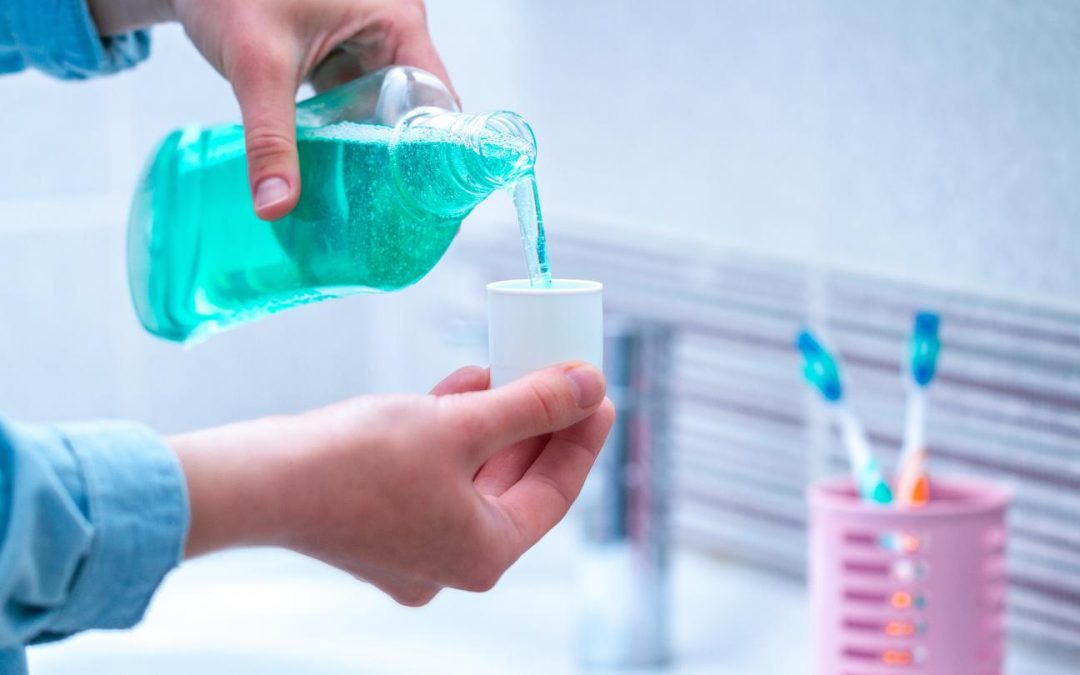
Mouthwash is a common addition to many oral hygiene routines, but does it really provide significant benefits? While it can freshen breath, reduce bacteria, and help with oral health conditions like gingivitis, mouthwash is not a substitute for brushing and flossing. Instead, it should be used as a complementary step to help maintain a clean and healthy mouth. Understanding the different types of mouthwash and how to use them effectively can ensure you are maximizing their benefits.
The Role of Mouthwash in Oral Hygiene
Mouthwash primarily serves as an antimicrobial agent, designed to reduce bacteria and plaque buildup in the mouth. It can also help remove food particles that brushing and flossing might miss. Some types of mouthwash contain fluoride, which strengthens enamel and helps prevent cavities. Others are formulated to target gum inflammation and bad breath. However, mouthwash should never replace brushing and flossing, as these are essential for removing plaque and preventing tooth decay.
At All About Teeth, we emphasize the importance of a well-rounded oral hygiene routine that includes professional cleanings, regular brushing and flossing, and using mouthwash when appropriate. If you’re unsure about which type of mouthwash is best for you, our family dentistry services can help guide you.
Types of Mouthwash and Their Benefits
There are various types of mouthwash, each designed to address specific oral health concerns. Understanding these differences can help you choose the right one for your needs.
Cosmetic Mouthwash
Cosmetic mouthwash is primarily used for freshening breath. It does not contain active ingredients that target plaque or gum disease, making it more of a temporary solution rather than a long-term treatment. While these mouthwashes provide a minty fresh feeling, they do not kill bacteria or prevent cavities.
Therapeutic Mouthwash
Therapeutic mouthwashes contain active ingredients such as chlorhexidine, fluoride, or essential oils that provide medical benefits. These types of mouthwash can help reduce plaque, fight gingivitis, and prevent cavities. Some prescription mouthwashes contain stronger antibacterial agents that are used for patients with severe gum disease.
If you’re experiencing gum inflammation, using a therapeutic mouthwash along with regular visits to a preventative dentistry provider can help manage the condition.
Fluoride Mouthwash
Fluoride mouthwashes are specifically formulated to strengthen tooth enamel and prevent cavities. These are ideal for individuals who are prone to cavities or those who have been advised by their dentist to use additional fluoride. Fluoride mouthwash should be used after brushing with a fluoride toothpaste to enhance its benefits.
How to Use Mouthwash Effectively
Using mouthwash correctly is key to ensuring that you receive its full benefits. Many people simply swish it around for a few seconds and spit it out, but there are better ways to use it.
- Use Mouthwash After Brushing and Flossing Mouthwash works best when used after brushing and flossing, as it can help wash away any remaining food particles and bacteria. However, if you use a fluoride toothpaste, wait at least 30 minutes before using a fluoride mouthwash to avoid rinsing away the concentrated fluoride from your toothpaste.
- Measure the Correct Amount Most mouthwashes recommend using about 20-30 mL (4-6 teaspoons) per rinse. Pour the recommended amount into the provided cap or a measuring cup.
- Swish for the Recommended Duration Gargle the mouthwash for 30 seconds to one minute to ensure it reaches all areas of the mouth. Be sure to swish it between your teeth to remove any lingering bacteria.
- Spit It Out—Don’t Swallow Mouthwash contains active ingredients that should not be ingested. Swallowing mouthwash, especially those containing alcohol or fluoride, can be harmful, particularly for children.
Is Mouthwash Necessary for Everyone?
Mouthwash can be beneficial for many people, but it is not necessary for everyone. Individuals who may benefit the most include those who have:
- Chronic bad breath (halitosis)
- A history of cavities or weak enamel
- Gum disease or gingivitis
- Braces or dental implants
At All About Teeth, we often recommend mouthwash to patients who have undergone dental procedures like implants or periodontal treatment to help maintain oral health during the healing process.
Potential Drawbacks of Mouthwash
While mouthwash has many benefits, there are also some potential drawbacks to consider.
- Temporary Breath Freshening: Cosmetic mouthwashes only mask bad breath rather than eliminating its underlying causes.
- Alcohol Content: Many mouthwashes contain alcohol, which can cause dry mouth and irritation. Those with sensitive gums may prefer an alcohol-free formula.
- Overuse Risks: Excessive use of mouthwash, particularly those with strong antibacterial properties, may disrupt the natural balance of bacteria in the mouth.
If you experience irritation from mouthwash or have concerns about its use, consult with your dentist during your next dental check-up to discuss alternative options.
Choosing the Right Mouthwash for Your Needs
Selecting the right mouthwash depends on your specific oral health goals. If you need extra cavity protection, a fluoride-based mouthwash is ideal. If you have sensitive gums, an alcohol-free therapeutic rinse may be better. For those with persistent bad breath, a mouthwash that targets bacteria rather than just freshening breath is recommended.
If you’re unsure about which mouthwash is right for you, schedule an appointment with Dr. Corey Hogge at All About Teeth for a personalized recommendation.
Final Thoughts
Mouthwash can be a valuable addition to your oral hygiene routine when used correctly and for the right reasons. While it offers benefits like reducing bacteria, freshening breath, and preventing cavities, it should never replace brushing and flossing. Choosing the right type of mouthwash and using it properly ensures that you get the most out of this oral care tool.
For more personalized advice on maintaining optimal oral health, visit All About Teeth or contact us to schedule a consultation. A healthier smile starts with the right habits and professional care!
Recent Comments