
Our Services
From exams to teeth whitening and from implants to veneers, we do it all!
Bring Back Your Winning Smile!
The most trusted family dental clinic in Logan, UT, All About Teeth, offers clients a complete line of dental services. Our goal is to customize these services to your unique needs and budget. We understand that going to the dentist can make certain people anxious, but rest assured, we will do all we can to make your visit quick, effective, and pain free.

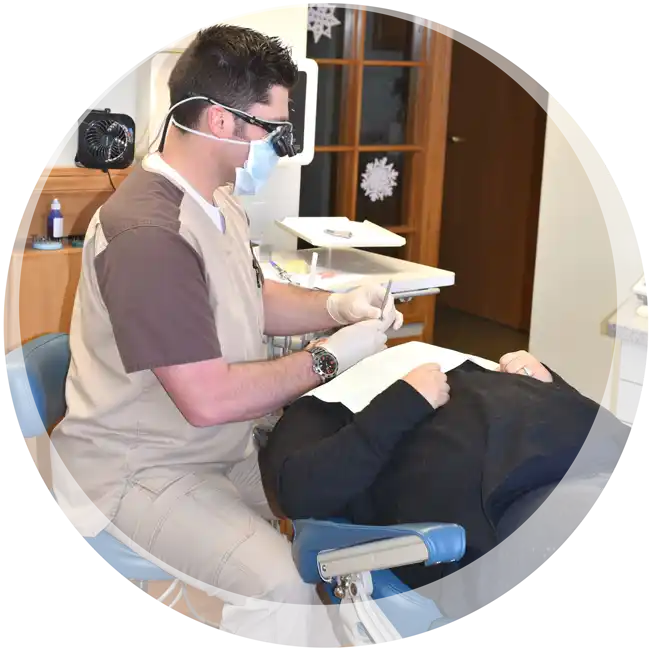
Become Informed
We believe that knowledge is power. The better you understand a procedure, the more comfortable you’ll be having one. We encourage you to refer back here as needed, and contact us if you would like additional information or have questions.
Healthy teeth and gums not only make you look and feel great, they promote health in other areas of the body, too. For example, some studies have shown links between gingivitis and heart disease, dementia, and even problems during pregnancy. At All About Teeth, we want you to enjoy the many benefits that come with good dental care. Please contact us today for more information or to schedule an appointment.
Our Dental Services






Frequently Asked Questions
What is dental care?
Dental care is a fundamental aspect of our overall health and wellbeing. It refers to the maintenance of oral hygiene and the prevention, diagnosis, and treatment of oral diseases and conditions.
Oral health plays a critical role in our lives, impacting our ability to eat, speak, and socialize comfortably. Moreover, poor oral hygiene can lead to a variety of medical conditions such as heart disease, stroke, and diabetes. This highlights the importance of maintaining good oral hygiene and seeking dental care when needed.
Types of Dental Care
There are different types of dental care that individuals may require depending on their oral health needs. Some of the most common types of dental care include:
- Preventive Care: This type of dental care focuses on preventing oral diseases and conditions through regular checkups and cleanings. Preventive care typically involves routine dental exams, cleanings, and fluoride treatments to protect teeth from decay and cavities.
- Restorative Care: Restorative dental care refers to procedures that repair or replace damaged or missing teeth. Common restorative procedures include fillings, crowns, bridges, and dentures.
- Endodontic Care: Endodontic care involves the diagnosis and treatment of conditions affecting the inner pulp of teeth. Root canal therapy is a common endodontic procedure used to treat infections and inflammation in the tooth pulp.
- Periodontal Care: Periodontal care focuses on the prevention and treatment of gum disease, which is a common oral health condition that affects the gums and supporting tissues of the teeth.
- Orthodontic Care: Orthodontic care is used to correct misaligned teeth and jaws. This type of dental care typically involves the use of braces, retainers, and other orthodontic appliances to straighten teeth and improve bite alignment.
- Oral Surgery: Oral surgery involves procedures that treat a variety of conditions such as impacted teeth, cysts, and tumors. Common oral surgery procedures include extractions, dental implants, and jaw surgery.
Benefits of Dental Care
- Improved Oral Health: Regular dental checkups and cleanings help prevent oral diseases and conditions, such as cavities, gum disease, and oral cancer.
- Improved Overall Health: Good oral health is linked to improved overall health. Maintaining good oral hygiene may reduce the risk of certain medical conditions, such as heart disease, stroke, and diabetes.
- Improved Appearance: Dental care can improve the appearance of your teeth and smile. Procedures such as teeth whitening, orthodontics, and veneers can enhance the appearance of your teeth and improve your confidence.
- Increased Comfort: Dental care can alleviate oral pain and discomfort caused by conditions such as cavities, gum disease, and misaligned teeth.
- Cost Savings: Preventive dental care can save you money in the long run by preventing costly dental procedures.
Dental care is a critical aspect of our overall health and wellbeing. It involves the maintenance of good oral hygiene and the prevention, diagnosis, and treatment of oral diseases and conditions. By seeking dental care when needed and maintaining good oral hygiene practices, we can improve our overall health, appearance, and quality of life.
How do I find a good dental insurance plan?
1. Assess Your Needs
Before selecting a dental insurance plan, it’s essential to assess your oral health needs. Consider factors such as how often you visit the dentist, if you have any pre-existing conditions or require any specialized treatments. This will help you determine the type of dental insurance plan you need, such as a plan that covers preventive care or a more comprehensive plan that covers major dental procedures.
2. Check Coverage
It’s essential to understand what services are covered by the dental insurance plan. Most plans cover preventive care, such as routine checkups, cleanings, and X-rays. However, coverage for restorative and cosmetic procedures, such as fillings, crowns, braces, or teeth whitening, may vary depending on the plan. Make sure to review the coverage carefully and understand any limitations or exclusions.
3. Look for In-Network Providers
Dental insurance plans typically offer a network of providers who have agreed to accept the insurance plan’s fees. Choosing an in-network provider can help you save money on dental care as they have agreed to discounted rates for services. Make sure to check if your preferred dentist is in the network and confirm the availability of the services you need.
4. Check Maximum Annual Benefits
Dental insurance plans typically have an annual maximum benefit, which is the maximum amount the plan will pay for dental services during a year. Make sure to check the maximum annual benefit for the plan you are considering and ensure it aligns with your dental care needs.
5. Consider Cost and Premiums
The cost of dental insurance plans varies depending on the level of coverage, the network of providers, and the geographic location. Make sure to compare the costs and premiums of different plans to find the one that offers the best value for your budget. Keep in mind that some plans may have deductibles, copayments, or coinsurance fees, which can affect the overall cost.
6. Read Reviews and Ratings
Reading reviews and ratings from current or past plan members can provide valuable insights into the quality of service provided by the insurance plan. You can check online reviews or ratings from reputable sources such as Consumer Reports or the National Association of Insurance Commissioners.
Selecting the right dental insurance plan requires careful consideration of your dental care needs, the plan’s coverage, provider network, annual maximum benefit, and cost. Take the time to assess your needs, review the coverage and costs of different plans, and check for in-network providers. Reading reviews and ratings can also help you make an informed decision. With these tips, you can find a good dental insurance plan that meets your needs and helps you maintain good oral health.
What is some practical dental care advice?
Maintaining good dental hygiene is essential to our overall health and wellbeing. Poor oral health can lead to a range of health problems, including gum disease, tooth decay, and even heart disease. Fortunately, there are several practical dental care tips you can follow to maintain healthy teeth and gums.
1. Brush Twice Daily
Brushing your teeth twice a day is essential to maintaining good dental hygiene. Use a soft-bristled toothbrush and fluoride toothpaste to gently clean your teeth and remove plaque and food particles. Brush for two minutes each time, making sure to reach all surfaces of your teeth, including the front, back, and chewing surfaces.
2. Floss Daily
Flossing is an essential part of dental hygiene that helps remove plaque and food particles from between your teeth and gums. Use a length of floss about 18 inches long, and wind it around your middle fingers. Use your thumbs and forefingers to gently guide the floss between your teeth and wrap it around each tooth in a C-shape. Move the floss up and down to remove any debris, and then move on to the next tooth.
3. Use Mouthwash
Using mouthwash can help kill bacteria and freshen your breath. Choose a mouthwash that contains fluoride to help strengthen your teeth and prevent tooth decay. Swish the mouthwash around your mouth for 30 seconds before spitting it out.
4. Limit Sugary and Acidic Foods
Sugary and acidic foods can damage your teeth and lead to tooth decay. Limit your intake of sugary and acidic foods, such as soda, candy, and citrus fruits. If you do consume these foods, make sure to brush your teeth or rinse your mouth with water afterward.
5. Drink Plenty of Water
Drinking water can help wash away food particles and bacteria from your mouth, reducing the risk of tooth decay and gum disease. Make sure to drink plenty of water throughout the day, especially after eating or drinking sugary or acidic foods.
6. Visit Your Dentist Regularly
Regular dental checkups are essential to maintaining good oral health. Visit your dentist at least twice a year for a checkup and cleaning. Your dentist can identify any dental problems early and recommend treatment to prevent them from becoming more severe.
Incorporating these practical dental care tips into your daily routine can help you maintain healthy teeth and gums. Brush and floss regularly, use mouthwash, limit sugary and acidic foods, drink plenty of water, and visit your dentist regularly. By following these tips, you can keep your teeth and gums healthy and prevent dental problems from developing. Remember, good dental hygiene is essential to your overall health and wellbeing.
What does an oral and maxillofacial surgeon do?
Oral and maxillofacial surgeons are dental specialists who specialize in the diagnosis and treatment of various conditions and injuries related to the mouth, jaw, and face. They are highly trained and skilled professionals who perform a wide range of surgical procedures to improve the function and aesthetics of the oral and facial structures.
What is an Oral and Maxillofacial Surgeon?
An oral and maxillofacial surgeon is a dental specialist who has completed four years of dental school followed by a four-year surgical residency program. During their training, they gain extensive knowledge and experience in the surgical treatment of the face, mouth, and jaw. They are trained to perform a variety of surgical procedures, including dental extractions, bone grafting, orthognathic surgery, facial trauma reconstruction, and implant surgery.
What Does an Oral and Maxillofacial Surgeon Do?
An oral and maxillofacial surgeon performs a range of surgical procedures to treat various conditions and injuries related to the mouth, jaw, and face. Some of the most common procedures performed by oral and maxillofacial surgeons include:
1. Tooth Extractions
Oral and maxillofacial surgeons are trained to perform dental extractions, including wisdom teeth removal. They use specialized instruments and techniques to extract teeth safely and efficiently, minimizing pain and discomfort.
2. Bone Grafting
Bone grafting is a surgical procedure in which a surgeon takes bone from another part of the body or a donor source and places it in the jaw to support dental implants or to replace bone loss due to trauma or disease. Oral and maxillofacial surgeons are skilled in performing bone grafting procedures.
3. Orthognathic Surgery
Orthognathic surgery is a surgical procedure that corrects jaw misalignment or other deformities of the jaw or face. This procedure can improve the function and aesthetics of the mouth, jaw, and face.
4. Facial Trauma Reconstruction
Oral and maxillofacial surgeons are trained to perform facial trauma reconstruction procedures. These procedures involve the repair of facial fractures or other injuries to the face, including lacerations, contusions, and burns.
5. Dental Implant Surgery
Dental implant surgery is a procedure in which an artificial tooth root is implanted in the jawbone to support a replacement tooth or bridge. Oral and maxillofacial surgeons are trained in this procedure and can place implants safely and efficiently.
6. Treatment of Oral Cancer
Oral and maxillofacial surgeons are also trained to diagnose and treat oral cancer. They can perform surgical procedures to remove cancerous tissue and reconstruct the affected area of the mouth or jaw.
Oral and maxillofacial surgeons play a vital role in the diagnosis and treatment of various conditions and injuries related to the mouth, jaw, and face. They are highly trained and skilled professionals who can perform a range of surgical procedures to improve the function and aesthetics of the oral and facial structures. If you are experiencing any issues related to your mouth, jaw, or face, consider consulting with an oral and maxillofacial surgeon to explore your treatment options.
What type of dentist performs root canals?
If you’ve been told that you need a root canal, you may be wondering what type of dentist you should see. Root canals are a common dental procedure that is performed to treat infected or damaged dental pulp. While general dentists can perform root canals, there is a specialized type of dentist that is trained specifically in this area: endodontists.
What is an Endodontist?
An endodontist is a dental specialist who focuses on the diagnosis and treatment of dental pulp and root canal problems. Endodontists are required to complete an additional two to three years of specialized training beyond dental school to become certified in this field. During this training, they learn advanced techniques for diagnosing and treating complex dental issues, including root canal procedures.
What is a Root Canal?
A root canal is a procedure that is performed to treat an infected or damaged dental pulp. Dental pulp is the soft tissue that is located in the center of a tooth. When the pulp becomes infected or inflamed, it can cause pain and other symptoms. During a root canal procedure, the endodontist will remove the infected or damaged pulp, clean out the root canals, and fill the canals with a special material to prevent further infection.
Why See an Endodontist for a Root Canal?
While general dentists are trained to perform root canal procedures, endodontists are specialists in this area and have a higher level of expertise. Endodontists are trained to diagnose and treat complex root canal issues, including cases that may require surgery or retreatment. Endodontists also have specialized equipment, such as microscopes and digital imaging technology, which can help them identify and treat even the smallest root canal issues.
When Should You See an Endodontist?
If you have been referred to an endodontist by your dentist or have been experiencing severe tooth pain, swelling, or sensitivity, you should schedule an appointment with an endodontist. The endodontist will perform a thorough examination and recommend the appropriate treatment, which may include a root canal procedure.
While general dentists can perform root canal procedures, endodontists are dental specialists who are specifically trained in this area. Endodontists have a higher level of expertise and specialized equipment to diagnose and treat complex root canal issues. If you have been told that you need a root canal, consider seeing an endodontist for the best possible care. With their advanced training and expertise, they can provide the necessary treatment to restore your dental health and alleviate your symptoms.
How many dental visits does it take to complete a root canal?
A root canal is a dental procedure that is performed to remove infected or damaged dental pulp from a tooth. If you’ve been told that you need a root canal, you may be wondering how many dental visits it will take to complete the procedure.
The Root Canal Process
The root canal process typically involves three visits to the dentist. The first visit is a consultation where the dentist will examine the tooth and take X-rays to determine the extent of the damage. They will also discuss the procedure with you and answer any questions you may have.
The second visit is the actual root canal procedure. During this visit, the dentist will numb the area around the tooth and make a small hole in the top of the tooth. They will then use special tools to remove the infected or damaged pulp from the tooth’s root canal. Once the pulp is removed, the dentist will clean and shape the root canal, fill it with a special material, and seal it to prevent further infection.
The final visit is a follow-up appointment to ensure that the root canal was successful and to place a permanent restoration on the tooth, such as a crown or filling. This visit is usually scheduled a few weeks after the root canal procedure to allow time for the tooth to heal.
Why are dental crowns recommended after a root canal?
If you have recently undergone a root canal, your dentist may recommend that you get a dental crown placed on the treated tooth. This recommendation may seem unnecessary, especially if the tooth appears to be in good condition after the root canal. However, there are several important reasons why dental crowns are typically recommended after a root canal procedure.
What is a Dental Crown?
A dental crown is a tooth-shaped cap that is placed over a damaged or weakened tooth. The crown is designed to restore the tooth’s shape, size, and strength, and to improve its overall appearance. Dental crowns can be made from a variety of materials, including porcelain, metal, or a combination of the two.
Why Are Dental Crowns Recommended After a Root Canal?
- Protect the Tooth: During a root canal, the infected or damaged pulp inside the tooth is removed, leaving the tooth hollow and weakened. Placing a dental crown over the tooth helps to protect it from further damage, including cracking or breaking. The crown provides a strong, protective barrier that helps to keep the tooth intact and functional.
- Improve the Appearance: After a root canal, the tooth may appear discolored or slightly misshapen. Placing a dental crown over the tooth can help to improve its appearance, making it look more natural and aesthetically pleasing. Crowns can be customized to match the color and shape of the surrounding teeth, providing a seamless and natural-looking result.
- Restore Functionality: Because a root canal can weaken the tooth, placing a dental crown over the tooth can help to restore its functionality. The crown helps to provide additional support and stability to the tooth, allowing it to function properly when chewing and biting.
- Long-Term Durability: Dental crowns are designed to be durable and long-lasting. They can withstand the pressure and wear and tear of everyday use and can last for many years with proper care and maintenance. By placing a dental crown over a tooth that has undergone a root canal, patients can enjoy long-term protection and durability.
Dental crowns are recommended after a root canal for several important reasons, including protecting the tooth, improving its appearance, restoring functionality, and providing long-term durability. If you have recently undergone a root canal, your dentist will likely recommend that you get a dental crown placed on the treated tooth. This recommendation is not only for the health and longevity of the treated tooth but also for the overall health and function of your entire mouth. With proper care and maintenance, dental crowns can provide years of protection and functionality for your teeth.
What conditions would a dentist treat with root canal surgery?
Root canal surgery is a dental procedure that is used to treat conditions affecting the innermost layer of a tooth known as the pulp. The pulp contains nerves, blood vessels, and connective tissue, and when it becomes infected or damaged, it can cause severe pain and other symptoms. Root canal surgery is a common and effective treatment for these conditions, we will explore the various conditions that a dentist may treat with root canal surgery.
1. Pulpitis
Pulpitis is an inflammation of the pulp caused by bacterial infection or trauma to the tooth. The inflammation can cause pain, sensitivity, and swelling in the affected tooth, and in some cases, it can lead to the formation of an abscess. If left untreated, pulpitis can cause permanent damage to the tooth, and in severe cases, it may require extraction. Root canal surgery can be used to remove the infected or inflamed pulp, relieve the pain and other symptoms, and restore the tooth’s health and function.
2. Dental Abscess
A dental abscess is a pocket of pus that forms in the tooth or the surrounding tissue as a result of a bacterial infection. Abscesses can cause severe pain, swelling, and fever, and if left untreated, they can spread to other parts of the body and cause serious complications. Root canal surgery can be used to remove the infected pulp and drain the abscess, relieving the pain and other symptoms and preventing further damage to the tooth and surrounding tissue.
3. Trauma to the Tooth
A tooth that has been traumatized, either by a blow to the mouth or a fracture, can cause damage to the pulp. In some cases, the damage may be so severe that it causes the pulp to die, leading to an infection. Root canal surgery can be used to remove the damaged pulp, prevent the infection from spreading, and restore the tooth’s health and function.
4. Dental Decay
Dental decay is a common condition that occurs when bacteria in the mouth produce acid that erodes the tooth enamel. When the decay reaches the pulp, it can cause an infection and inflammation, leading to pain and other symptoms. Root canal surgery can be used to remove the infected or damaged pulp and prevent the decay from spreading, preserving the tooth and preventing the need for extraction.
5. Cracked Tooth Syndrome
Cracked tooth syndrome occurs when a tooth has a crack or fracture that extends into the pulp, causing pain and sensitivity. In some cases, the crack may be so small that it is difficult to detect, making the condition difficult to diagnose. Root canal surgery can be used to remove the damaged pulp and prevent the crack from spreading, relieving the pain and other symptoms and preserving the tooth.
Root canal surgery is a common and effective treatment for a variety of conditions affecting the pulp of the tooth. Dentists may recommend root canal surgery to treat pulpitis, dental abscesses, trauma to the tooth, dental decay, and cracked tooth syndrome. If you are experiencing any symptoms of these conditions, such as pain, sensitivity, or swelling, it is important to seek dental treatment as soon as possible to prevent further damage to the tooth and surrounding tissue. With proper diagnosis and treatment, root canal surgery can help to restore your dental health and preserve your natural teeth.
How do dentists treat gum disease?
Gum disease, also known as periodontal disease, is a common condition that affects the gums and bone that support the teeth. It is caused by the buildup of plaque, a sticky film of bacteria that forms on the teeth and gums. If left untreated, gum disease can cause tooth loss and other serious health problems. Fortunately, there are several effective treatments available to help manage and treat gum disease. In this blog post, we will explore how dentists treat gum disease.
1. Scaling and Root Planing
Scaling and root planing, also known as deep cleaning, is a non-surgical treatment for gum disease. It involves removing plaque and tartar buildup from the teeth and root surfaces below the gumline. This can be done using a special instrument called a scaler or an ultrasonic device. The dentist will then smooth out the root surfaces to help prevent future buildup of bacteria and debris. Scaling and root planing is often the first line of treatment for gum disease and can be effective in treating early stages of the disease.
2. Antibiotics
Antibiotics can be used in conjunction with scaling and root planing to help treat gum disease. Antibiotics can be prescribed in the form of pills or gels and work to kill bacteria that cause gum disease. They can be used to treat both early and advanced stages of gum disease. In some cases, antibiotics may be prescribed before or after scaling and root planing to help reduce inflammation and prevent the spread of infection.
3. Laser Therapy
Laser therapy is a non-surgical treatment for gum disease that uses a laser to remove infected tissue and bacteria from the gums. The laser can target and destroy bacteria that cause gum disease without harming healthy tissue. Laser therapy is a minimally invasive procedure that is effective in treating moderate to severe cases of gum disease. It can also help to stimulate the growth of healthy tissue and reduce the risk of future infection.
4. Surgery
In some cases, surgery may be necessary to treat advanced stages of gum disease. Surgery can help to remove deep pockets of bacteria and reduce the risk of tooth loss. There are several types of gum surgery, including pocket reduction surgery, gum grafts, and bone grafts. Your dentist will recommend the best type of surgery for your specific case.
5. Maintenance
Regular dental check-ups and cleanings are crucial for maintaining healthy gums and preventing gum disease from returning. Your dentist may recommend more frequent cleanings or periodontal maintenance appointments to help manage your gum disease. It is also important to maintain good oral hygiene habits at home, including brushing twice a day, flossing daily, and using an antimicrobial mouthwash.
Gum disease is a common and treatable condition that affects the gums and bone that support the teeth. There are several effective treatments available to help manage and treat gum disease, including scaling and root planing, antibiotics, laser therapy, surgery, and maintenance. If you are experiencing symptoms of gum disease, such as bleeding gums, swelling, or bad breath, it is important to seek dental treatment as soon as possible to prevent further damage to your teeth and gums. With proper treatment and care, you can maintain healthy gums and teeth for a lifetime.
How to heal my tooth decay?
Tooth decay is a common dental problem that can cause pain, discomfort, and sensitivity. It occurs when bacteria in the mouth produce acids that erode the enamel of the tooth, leading to cavities and other dental problems. If left untreated, tooth decay can lead to more serious oral health issues, such as gum disease and tooth loss. However, with the right treatment and care, it is possible to heal tooth decay and prevent further damage to your teeth.
1. Practice Good Oral Hygiene
One of the most important things you can do to heal tooth decay is to practice good oral hygiene habits. This includes brushing your teeth twice a day with a fluoride toothpaste, flossing daily, and using an antimicrobial mouthwash. Brushing and flossing help to remove plaque and bacteria from your teeth and gums, which can prevent further decay and promote healing. It is also important to visit your dentist regularly for check-ups and cleanings.
2. Use Fluoride
Fluoride is a mineral that can help to strengthen the enamel of your teeth and prevent further decay. It is often found in toothpaste, mouthwash, and drinking water. If you have tooth decay, your dentist may recommend a fluoride treatment to help heal the affected tooth. This can be done using a fluoride gel, foam, or varnish.
3. Change Your Diet
Your diet can have a big impact on the health of your teeth. Foods that are high in sugar and carbohydrates can increase the risk of tooth decay, while foods that are rich in calcium, phosphorus, and vitamin D can help to strengthen your teeth and prevent further decay. Some foods that are good for your teeth include dairy products, leafy greens, and lean proteins.
4. Consider Dental Fillings
If your tooth decay is in the early stages, your dentist may recommend a dental filling to restore the damaged tooth. Dental fillings are made of materials such as composite resin, porcelain, or silver amalgam, and are used to fill in the cavity and prevent further decay.
5. Get a Root Canal
If your tooth decay has progressed to the point where the nerve of the tooth is affected, your dentist may recommend a root canal. During a root canal, the infected or damaged pulp is removed from the tooth and the root canals are cleaned and sealed. This can help to prevent further decay and save the affected tooth.
6. Consider Tooth Extraction
In some cases, tooth decay may be so severe that the affected tooth cannot be saved. In this case, your dentist may recommend a tooth extraction. After the tooth is removed, your dentist may recommend a dental implant or bridge to fill in the gap and prevent further damage to your teeth and gums.
Tooth decay is a common dental problem that can be painful and uncomfortable. However, with the right treatment and care, it is possible to heal tooth decay and prevent further damage to your teeth. Practicing good oral hygiene habits, using fluoride, changing your diet, getting dental fillings or a root canal, and considering tooth extraction are all effective ways to heal tooth decay. If you are experiencing tooth decay, it is important to visit your dentist as soon as possible to prevent further damage and promote healing. With proper treatment and care, you can maintain healthy teeth and gums for a lifetime.
Does a tooth become weak after teeth whitening treatment?
Teeth whitening is a cosmetic dental treatment that has become increasingly popular in recent years. It involves the use of bleaching agents to lighten the color of teeth that have become discolored or stained over time. While teeth whitening is generally considered safe and effective, some people have expressed concerns that it can make their teeth weaker or more prone to damage. In this blog post, we will explore the question: does a tooth become weak after teeth whitening treatment?
The Short Answer
The short answer is no, teeth whitening does not make your teeth weaker. The bleaching agents used in teeth whitening treatments do not have any impact on the strength or structure of your teeth. In fact, studies have shown that teeth whitening is a safe and effective way to improve the appearance of your teeth without causing any harm.
How Teeth Whitening Works
To understand why teeth whitening does not weaken teeth, it is important to understand how the process works. Most teeth whitening treatments involve the use of a bleaching agent, such as hydrogen peroxide or carbamide peroxide, which is applied to the surface of the teeth. These agents work by breaking down the molecules that cause discoloration and stains on the teeth.
During the whitening process, the bleaching agents penetrate the enamel of the teeth and enter the dentin layer, which is the layer beneath the enamel. This can cause some temporary sensitivity, but it does not weaken the tooth structure in any way. In fact, studies have shown that teeth whitening can actually improve the hardness and mineral content of tooth enamel.
The Safety of Teeth Whitening
Teeth whitening is considered safe for most people, although some individuals may experience sensitivity or other side effects. These side effects are usually mild and temporary, and they typically go away after the whitening treatment is complete. However, it is important to note that teeth whitening should only be performed under the supervision of a licensed dental professional, as improper use of bleaching agents can lead to serious problems such as gum irritation, tooth sensitivity, and even damage to the tooth enamel.
Protecting Your Teeth After Whitening
While teeth whitening does not weaken your teeth, it is important to take care of your teeth after the treatment to prevent any damage or sensitivity. This includes practicing good oral hygiene habits, such as brushing your teeth twice a day and flossing daily, and avoiding foods and drinks that can stain your teeth, such as coffee, tea, and red wine.
In addition, you may want to consider using a sensitivity toothpaste or a fluoride rinse to help protect your teeth and reduce any sensitivity. Your dentist may also recommend follow-up treatments or touch-ups to maintain the results of your teeth whitening treatment.
Teeth whitening is a safe and effective cosmetic dental treatment that can improve the appearance of your teeth without weakening them. The bleaching agents used in teeth whitening do not have any impact on the structure or strength of your teeth, and studies have shown that teeth whitening can actually improve the hardness and mineral content of tooth enamel. However, it is important to follow the guidance of a licensed dental professional and take care of your teeth after the treatment to prevent any damage or sensitivity.
Is teeth whitening permanent?
Teeth whitening is a popular cosmetic dental treatment that can improve the appearance of your smile by removing stains and discoloration. Many people wonder whether the effects of teeth whitening are permanent or temporary.
The Short Answer
The short answer is no, teeth whitening is not permanent. While the effects of teeth whitening can last for a long time, they are not permanent and will eventually fade over time. The length of time that teeth whitening lasts can vary depending on a number of factors, such as your oral hygiene habits, the foods and drinks you consume, and your lifestyle choices.
How Teeth Whitening Works
To understand why teeth whitening is not permanent, it is important to understand how the process works. Most teeth whitening treatments use a bleaching agent, such as hydrogen peroxide or carbamide peroxide, which penetrates the enamel of the teeth to break down the molecules that cause discoloration and stains.
While teeth whitening can be very effective at removing stains and discoloration, it does not change the underlying color of your teeth. The natural color of your teeth is determined by genetics, and teeth whitening cannot change this. Additionally, teeth whitening does not prevent future staining or discoloration, which means that the effects will eventually fade over time.
Factors That Affect the Longevity of Teeth Whitening
As mentioned, the length of time that teeth whitening lasts can vary depending on a number of factors. Some of the factors that can affect the longevity of teeth whitening include:
- Oral hygiene habits: Good oral hygiene habits, such as brushing your teeth twice a day and flossing daily, can help to maintain the results of your teeth whitening treatment.
- Diet and lifestyle choices: Foods and drinks that are known to stain teeth, such as coffee, tea, and red wine, can cause your teeth to become discolored more quickly. Smoking and other tobacco use can also contribute to staining and discoloration.
- Follow-up treatments: Depending on the type of teeth whitening treatment you have, follow-up treatments may be necessary to maintain the results over time.
- Natural aging process: As we age, our teeth naturally become more yellow or gray in color due to changes in the structure of the teeth and the accumulation of surface stains.
How Long Does Teeth Whitening Last?
The length of time that teeth whitening lasts can vary depending on the individual and the factors mentioned above. In general, the effects of teeth whitening can last anywhere from several months to several years. Touch-up treatments may be necessary to maintain the results over time, particularly for individuals who consume foods and drinks that are known to stain teeth or who smoke.
Does it hurt when you get your teeth whitened?
Teeth whitening is a popular cosmetic dental procedure that can improve the appearance of your smile by removing stains and discoloration. Many people wonder whether getting their teeth whitened is painful or uncomfortable.
The Short Answer
The short answer is that teeth whitening does not usually cause significant pain or discomfort. Most people experience only mild sensitivity or discomfort during the procedure, which usually resolves quickly after the treatment is finished. However, some individuals may be more sensitive or experience more discomfort than others, depending on a number of factors.
The Teeth Whitening Process
Before we discuss the potential for pain or discomfort during teeth whitening, let’s first take a look at the teeth whitening process. There are two main types of teeth whitening: in-office whitening and at-home whitening.
In-office whitening is performed by a dental professional and typically involves the application of a whitening gel to the teeth, followed by exposure to a special light or heat source. The procedure usually takes about an hour and can provide significant results in a single visit.
At-home whitening involves the use of a custom-fitted tray filled with a whitening gel that you wear at home for a specified amount of time each day. This type of whitening typically takes several weeks to achieve significant results.
Both in-office and at-home whitening use similar whitening agents, typically a hydrogen peroxide or carbamide peroxide gel, to break down the molecules that cause stains and discoloration in the teeth.
Potential for Pain or Discomfort
While teeth whitening is generally considered a safe and comfortable procedure, some individuals may experience mild pain or discomfort during or after the treatment. The most common side effect of teeth whitening is sensitivity, which may occur during the treatment or persist for a short time afterward.
Sensitivity may occur because the whitening gel can temporarily weaken the enamel of the teeth, allowing the whitening agent to penetrate more deeply into the tooth structure. This can cause temporary sensitivity to hot or cold temperatures, as well as sweet or acidic foods and drinks.
Some individuals may also experience gum irritation or discomfort during the treatment, particularly if the whitening gel comes into contact with the gums or soft tissues in the mouth. This can typically be resolved by adjusting the position of the tray or using a protective barrier gel to protect the gums.
Managing Pain or Discomfort
If you experience any pain or discomfort during or after your teeth whitening treatment, there are several steps you can take to manage your symptoms. These include:
- Using a desensitizing gel or toothpaste: Your dentist may provide you with a desensitizing gel or toothpaste to help reduce sensitivity and discomfort.
- Avoiding hot, cold, sweet, or acidic foods and drinks: These can exacerbate sensitivity and discomfort.
- Using a protective barrier gel: If you experience gum irritation or discomfort, your dentist may recommend using a protective barrier gel to protect your gums and soft tissues.
- Taking over-the-counter pain relievers: If your discomfort is significant, you may consider taking over-the-counter pain relievers such as ibuprofen or acetaminophen.
In conclusion, teeth whitening is generally considered a safe and comfortable procedure that does not usually cause significant pain or discomfort. However, some individuals may experience mild sensitivity or discomfort during or after the treatment, particularly if they have preexisting dental issues or are more prone to sensitivity. If you are considering teeth whitening, it is important to discuss your concerns with your dentist and to follow their recommendations for managing any potential side effects.
What is the best mouthwash for periodontal disease?
Periodontal Disease
Periodontal disease is a serious gum infection that can lead to tooth loss if left untreated. One of the most effective ways to prevent and manage periodontal disease is through good oral hygiene practices, which include brushing, flossing, and using mouthwash.
What is Periodontal Disease?
Periodontal disease is a condition in which the gums become inflamed and infected, leading to tissue and bone loss. It is caused by a buildup of plaque and bacteria on the teeth and gums, which can lead to the formation of pockets between the teeth and gums. Over time, these pockets can become deeper and more difficult to clean, allowing bacteria to multiply and causing further damage to the gums and bone.
Symptoms of periodontal disease include swollen, tender, or bleeding gums, bad breath, receding gums, loose teeth, and changes in the way your teeth fit together when you bite or chew. If you are experiencing any of these symptoms, it is important to see your dentist for an evaluation and treatment.
How Can Mouthwash Help with Periodontal Disease?
Mouthwash can be a valuable addition to your oral hygiene routine when managing periodontal disease. Mouthwash can help to kill bacteria and reduce inflammation in the gums, which can help to prevent further damage and promote healing.
The best mouthwash for periodontal disease is one that is specifically designed to treat gum disease and contains active ingredients that can help to reduce inflammation and kill bacteria. Some of the most effective ingredients in mouthwash for periodontal disease include:
- Chlorhexidine: Chlorhexidine is a powerful antimicrobial agent that can kill bacteria and reduce inflammation in the gums. It is available in prescription-strength mouthwash and can be very effective in treating periodontal disease.
- Essential oils: Essential oils such as tea tree oil, eucalyptus oil, and thyme oil have natural antimicrobial properties and can be effective in reducing inflammation and killing bacteria in the mouth.
- Cetylpyridinium chloride (CPC): CPC is another antimicrobial agent that can be effective in killing bacteria and reducing inflammation in the gums.
- Fluoride: Fluoride can help to strengthen the teeth and prevent further damage from periodontal disease.
Best Mouthwash for Periodontal Disease
So, what is the best mouthwash for periodontal disease? There are several options available, but some of the most effective include:
- Peridex: Peridex is a prescription-strength mouthwash that contains chlorhexidine. It is highly effective in killing bacteria and reducing inflammation in the gums.
- Listerine Total Care: Listerine Total Care contains essential oils and fluoride, which can help to kill bacteria, reduce inflammation, and strengthen the teeth.
- Crest Pro-Health Clinical Mouthwash: Crest Pro-Health Clinical Mouthwash contains CPC and fluoride, which can help to kill bacteria, reduce inflammation, and strengthen the teeth.
- Colgate Total Advanced Pro-Shield Mouthwash: Colgate Total Advanced Pro-Shield Mouthwash contains CPC and fluoride, which can help to kill bacteria, reduce inflammation, and strengthen the teeth.
It is important to note that while mouthwash can be a valuable addition to your oral hygiene routine, it should not be used as a substitute for brushing and flossing. It is also important to follow the instructions on the label and not to exceed the recommended usage, as overuse of mouthwash can cause irritation and damage to the mouth.
Using mouthwash can be an effective way to manage periodontal disease and promote good oral hygiene. The best mouthwash for periodontal
How do dentists treat gingivitis?
Gingivitis is a common form of gum disease caused by the buildup of plaque and bacteria in the mouth. If left untreated, it can lead to more severe forms of gum disease and even tooth loss. Fortunately, with proper care and treatment, gingivitis can be reversed.
The first step in treating gingivitis is to remove the plaque and bacteria from your teeth and gums. This can be done through professional dental cleanings or by improving your daily oral hygiene routine. Your dentist may recommend that you come in for more frequent cleanings to help keep your gums healthy.
If your gingivitis is more severe, your dentist may recommend a deep cleaning procedure called scaling and root planing. This involves removing plaque and tartar from below the gumline and smoothing the roots of your teeth to prevent bacteria from accumulating in the future. Local anesthesia is usually used to make the procedure more comfortable.
In addition to professional treatment, there are several things you can do at home to improve your oral health and prevent gingivitis from returning. These include:
- Brushing twice a day with fluoride toothpaste
- Flossing at least once a day
- Using an antiseptic mouthwash to kill bacteria
- Eating a healthy diet rich in vitamins and minerals
- Avoiding tobacco products, which can contribute to gum disease
It’s also important to schedule regular checkups with your dentist, even if you’re not experiencing any problems. This will allow your dentist to monitor your oral health and catch any potential problems early on.
If you have severe or persistent gingivitis, your dentist may refer you to a periodontist, who specializes in treating gum disease. In some cases, surgery may be necessary to remove infected gum tissue and promote healing.