
Root canal therapy was first performed during the mid-1800s. The tools originally used during the procedure were made out of watch springs, and whiskey was the most popular anesthesia during that time.
Needless to say, receiving root canal therapy was not very pleasant back then – but it no longer deserves its reputation as a painful procedure. Modern root canal therapy (also known as endodontic therapy) is no more uncomfortable than any other routine dental procedure!
Let’s begin by explaining what root canal therapy is and when you might need it. We’ll then explain what you can expect from a treatment that over 40,000 people receive on a daily basis.
What Is a Root Canal?
Many people refer to root canal therapy simply as a “root canal,” but this is not entirely accurate.
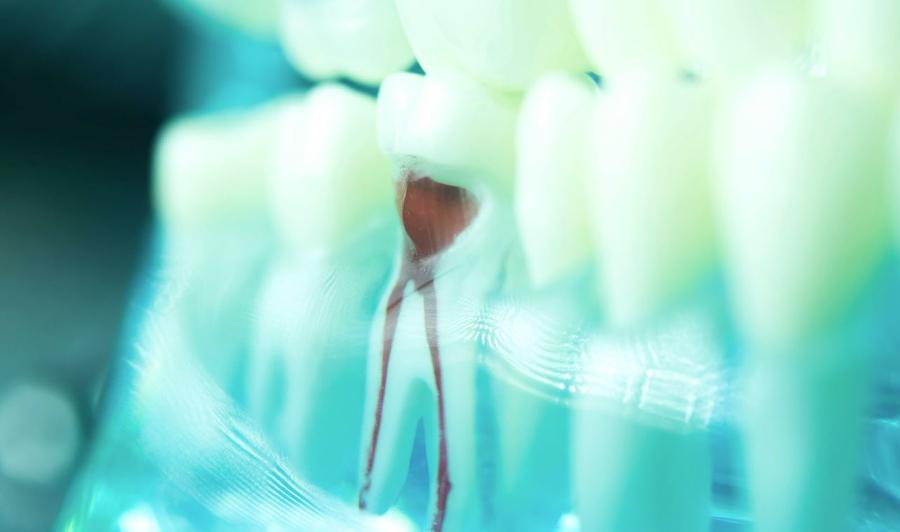
A root canal is the anatomical space within a tooth’s root that contains dental pulp. Dental pulp is living tissue comprised of nerves, blood vessels and other cellular structures. It creates and nourishes dentin, the substance which reinforces tooth enamel. Dental pulp defends the tooth, and also innervates it – the reason why you can feel your tooth when you apply light pressure against it.
With so many important functions to perform, it’s easy to appreciate why there’s a problem when the root canal becomes infected with bacteria. Several microorganisms are capable of compromising the dental pulp’s functionality or destroying it altogether, which ultimately results in a dead tooth.
How Do You Know If You Need Root Canal Therapy?
Several signs can indicate when bacteria have infiltrated your tooth and infected its root canal. If you notice one or more of the following symptoms, it is essential to make an appointment with your dentist right away:
- Persistent pain in the tooth
- Greater sensitivity to heat or cold
- Greater sensitivity to pressure
- Discoloration of the tooth
- Swollen gums surrounding the tooth
- Chipped, cracked or loose tooth
Please note that these symptoms are common to several other dental conditions. Only your dentist is qualified to determine whether you need root canal therapy for certain!
What Happens During Root Canal Therapy?
There are two goals to root canal therapy: remove bacterial infection from the dental pulp, and protect the dental pulp from further infection.
When your dentist has confirmed that there is infection within your root canal, they will request that you schedule a 30 to 60 minute appointment. At the beginning of this appointment they will administer local anesthesia, as well as isolate the tooth with a rubber dam.
Once the tooth is completely numb, the dentist drills a small opening into it. Using a set of small, specialized files (which are most certainly not made of watch springs), the dentist will gently abrade any and all infected dental pulp out of the root canal.
In some circumstances, the dentist may determine it is best to temporarily fill and seal the tooth. This will give the patient time to tell whether the infected dental pulp has been completely removed. If the patient continues to experience significant discomfort, the dentist will continue root canal therapy during a second appointment.
Once the dentist has ensured that all infection has been removed, they will fill the cavity with gutta-percha – a durable yet 100 percent natural resinous compound derived from the sapodilla tree. The dentist then permanently seals off the tooth just as they would for a regular filling.
What Happens After Root Canal Therapy?
Patients who have recently received root canal therapy typically report mild discomfort. Because that discomfort is created by inflammation surrounding the tooth, an over-the-counter anti-inflammatory medication such as Advil and Alieve is often all that is needed for pain management. Discomfort commonly subsides within just one week.
The success rate of root canal therapy is higher than 97 percent. In the rare event when the procedure fails to produce the desired outcome, the dentist may prescribe retreatment. Alternatively, they may prescribe apical surgery where the tooth root’s tip and surrounding tissues are removed altogether. The goal of apical surgery is to eliminate infection before it can spread to the jawbone.
It is possible for a tooth to become brittle following root canal therapy. In that case a dentist typically restores the tooth’s original hardness by applying a crown.
Do you have the symptoms of root canal infection and need a dentist in Logan, Utah? Then we welcome you to contact All About Teeth to schedule your initial consultation today. Dr. Corey Hogge and our team are always standing by to ensure that you enjoy your absolute best dental health!
Recent Comments