
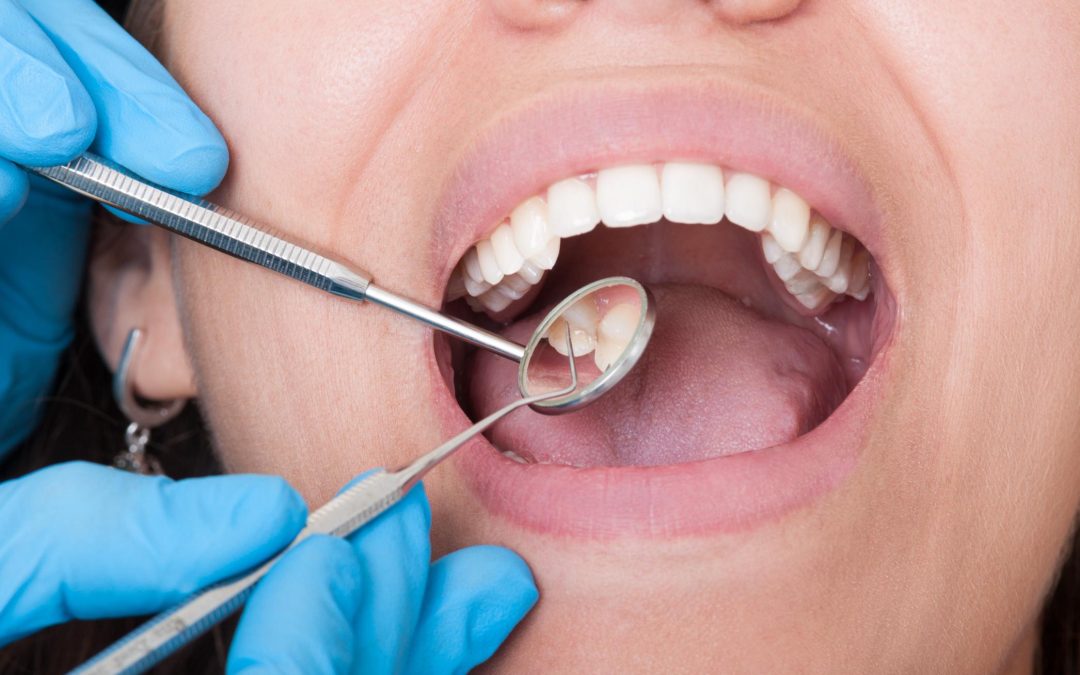
Dentists fill about 175 million cavities each year in the United States alone. For such a common dental procedure, there’s a lot of misinformation about cavities swirling around – myths like “cavities are reversible,” “diet soda prevents cavities,” and “you only need a filling if your tooth begins to hurt.” Let’s dispel some of the rumors that could come between you and a healthy smile!
False: Cavities Are Reversible
It is possible for tooth enamel to restore itself through a process called “remineralization.” Eating foods that are rich in calcium is a healthy way to make your existing tooth enamel stronger. But once tooth decay has progressed to a point where a tiny hole or opening has formed (i.e. a cavity), the damage is irreversible. Brushing, flossing, and calcium-rich foods won’t help. Only a dental filling can prevent further decay.
False: You Only Need a Filling If Your Tooth Hurts
Dental fillings are intended to prevent teeth from hurting. Tooth decay only causes pain if it is allowed to spread to the nerve of the tooth. Once decay reaches and begins agitating the root, a far more invasive root canal procedure may become necessary.
Regular dental screenings can detect cavities before they become painful. If you notice any of the signs of tooth decay, bring them up with your dentist during your next annual or biannual cleaning:
- Tooth sensitivity
- Discolored teeth
- Visible holes in teeth
- Pain while biting down
- Pain while consuming sweet, hot or cold food and beverages
False: You Can Prevent Cavities by Avoiding Sugar
Don’t get any funny ideas. Sugar most certainly does cause cavities. Naturally occurring bacteria in your mouth turn sugar into lactic acid which slowly eats away at tooth enamel. If you can be advised to minimize your sugar intake and brush your teeth immediately after eating something sweet, do.
But sugar isn’t only found in sweet foods. You can swear off soda and candy for life and still consume sugar each meal of the day. Bread. Potatoes. Dairy. Eggs. Even broccoli contains a trace amount of sugar. In other words, while you could theoretically prevent cavities by avoiding sugar, you can’t avoid sugar altogether without going on some sort of specialty diet that would drive you mad.
False: Diet Soda Prevents Cavities
Diet soda is sugar-free. This is true. But sadly, sugar isn’t the only thing which causes cavities. Acidic substances also decay tooth enamel – and diet sodas are some of the most acidic beverages on the market.
Diet Coke and Diet Pepsi both have a pH of around 3. (For reference, water has a neutral pH of 7; hydrochloric acid, which dissolves metals, has a pH of 0.) Tooth enamel decalcifies and erodes when it is exposed to substances with pH as high as 5.7, which means diet soda is more than acidic enough to cause tooth decay that leads to cavities.
False: Fillings Are Permanent
To preface, if you get a filling in one of your teeth, that tooth must remain filled in order to prevent further tooth decay. In that sense, fillings are very much permanent. But the fillings themselves don’t last forever. In general, a filling’s average lifespan depends on the material it is made of:
- Amalgam (i.e. “silver”) – 15 years
- Composite – 7 years
- Ceramic – 15 years
- Glass Ionomer – 5 years
- Gold – 20 years
A filling may last much longer than average with proper teeth care. You could easily get a filling that lasts a lifetime while you’re in your 40s, and that’s assuming your own lifespan is longer than average. But at the end of the day, most of the cavity treatments dentists perform will have to be repeated at some point in the future.Do you believe you have a cavity? Or has one of your current fillings become cracked, discolored or sensitive? Then All About Teeth is here to make things all better. We welcome you to contact us today to schedule your consultation at our dental clinic in Logan, UT!
Recent Comments