
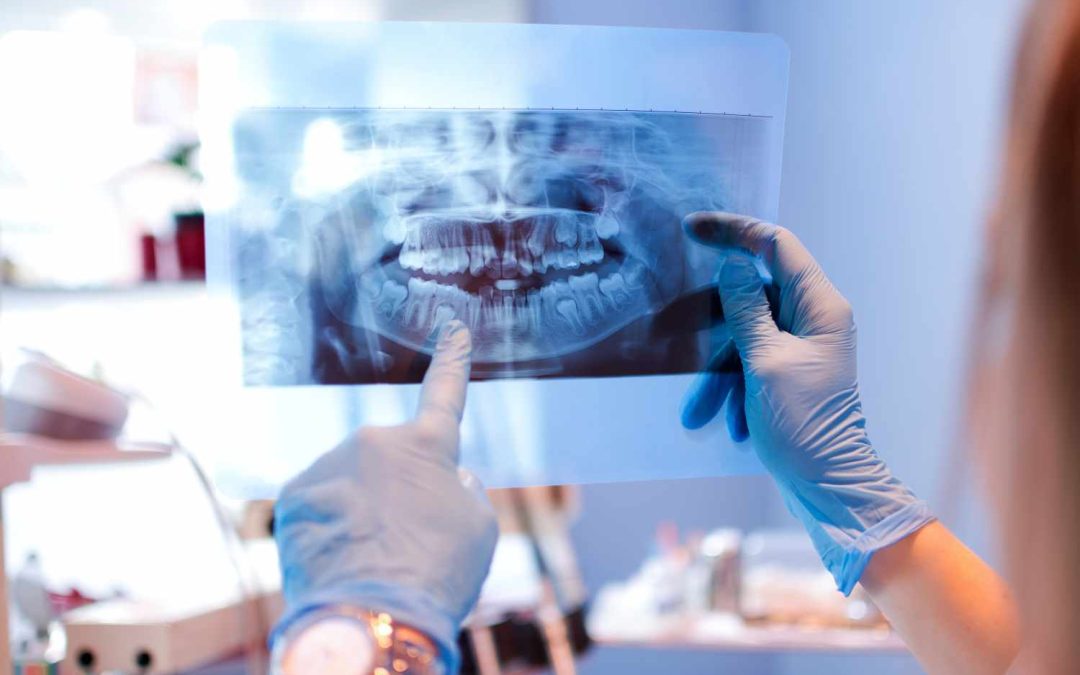
When you visit All About Teeth for your routine check-up, you likely expect a thorough cleaning and a visual examination. But what about those X-rays your dentist recommends every so often? While they might seem like a routine part of the visit, dental X-rays, also known as radiographs, play a vital role in maintaining your long-term oral health. They provide a window beneath the surface, allowing us to detect issues that would otherwise go unnoticed until they become more serious and potentially painful (and costly to treat!). Let’s delve into why regular dental X-rays are so important.
Seeing What the Naked Eye Can’t
A visual examination is crucial, allowing your dentist to spot cavities, gum inflammation, and other obvious concerns. However, many dental problems begin beneath the surface of your teeth and gums. This is where X-rays become invaluable. They allow us to see:
- Cavities Between Teeth: These are often missed during a visual exam as they develop in the tight spaces where teeth meet. Early detection through X-rays allows for smaller, less invasive fillings. Remember our blog on “How to Tell If You Have a Cavity Before It Hurts“, early detection is key!
- Cavities Under Existing Fillings: Decay can sometimes occur underneath old or ill-fitting fillings. X-rays can reveal this hidden problem before it causes significant damage.
- Bone Loss Due to Gum Disease (Periodontitis): Periodontal disease silently erodes the bone supporting your teeth. Regular X-rays help us monitor bone levels and implement timely periodontics treatments to prevent tooth loss.
- Infections and Abscesses: X-rays can reveal infections at the root of a tooth or in the surrounding bone, which may not be visible during a standard examination. Early intervention can prevent the spread of infection and the need for more complex emergency dental care.
- Impacted Teeth: For children and adults, X-rays can show teeth that are blocked from erupting properly, such as wisdom teeth. This allows for proactive planning for potential removal if necessary, as discussed in our pediatric dentistry section.
- Developmental Abnormalities: X-rays can help identify any unusual growth patterns, cysts, or tumors in the jawbone or surrounding tissues. Early detection significantly improves the chances of successful treatment.
- Positioning of Teeth and Roots: This is especially important when considering orthodontic treatment or dental implants. X-rays provide a clear picture of the underlying structures.
The Safety of Dental X-Rays
We understand that some patients may have concerns about radiation exposure from dental X-rays. At All About Teeth, your safety is our top priority. We utilize digital X-rays, which significantly reduce radiation exposure compared to traditional film X-rays. In fact, the amount of radiation you’re exposed to during a full mouth series of digital X-rays is comparable to the amount you receive from natural background radiation in just a few days.
We also adhere to strict safety protocols, including:
- Using lead aprons and thyroid collars: These protect vital organs from unnecessary exposure.
- High-speed film and digital sensors: These require minimal radiation to produce clear images.
- Focused beam technology: This targets only the necessary area.
- Following recommended guidelines: We adhere to the American Dental Association’s (ADA) guidelines for the frequency of dental X-rays, which are based on individual needs and risk factors.
The benefits of detecting and treating dental problems early far outweigh the minimal risk associated with modern dental X-rays.
How Often Do You Need Dental X-Rays?
The frequency of dental X-rays varies depending on your individual oral health needs. Your dentist at All About Teeth will recommend a schedule based on factors such as:
- Your age: Children and adolescents may need X-rays more frequently as their teeth and jaws are still developing.
- Your current oral health: If you have a history of cavities or gum disease, or if you’re at higher risk for these conditions, more frequent X-rays may be necessary.
- New patient exams: A full set of X-rays is often taken for new patients to establish a baseline of their oral health.
- Specific concerns: If you’re experiencing pain or other symptoms, X-rays may be needed to diagnose the issue.
Rest assured, we don’t take X-rays unnecessarily. Our recommendations are always based on a careful assessment of your individual situation and a commitment to providing you with the best possible care.
Investing in Your Future Smile
Regular dental X-rays are an essential diagnostic tool that allows us at All About Teeth to see beyond the surface and detect potential problems early. This proactive approach can lead to less invasive treatment, lower costs, and ultimately, a healthier and happier smile for years to come. If you have any questions or concerns about dental X-rays, please don’t hesitate to ask our friendly and knowledgeable team during your next visit. We’re here to ensure you feel comfortable and informed about every aspect of your dental care. Contact us to schedule your next comprehensive examination.
Recent Comments