
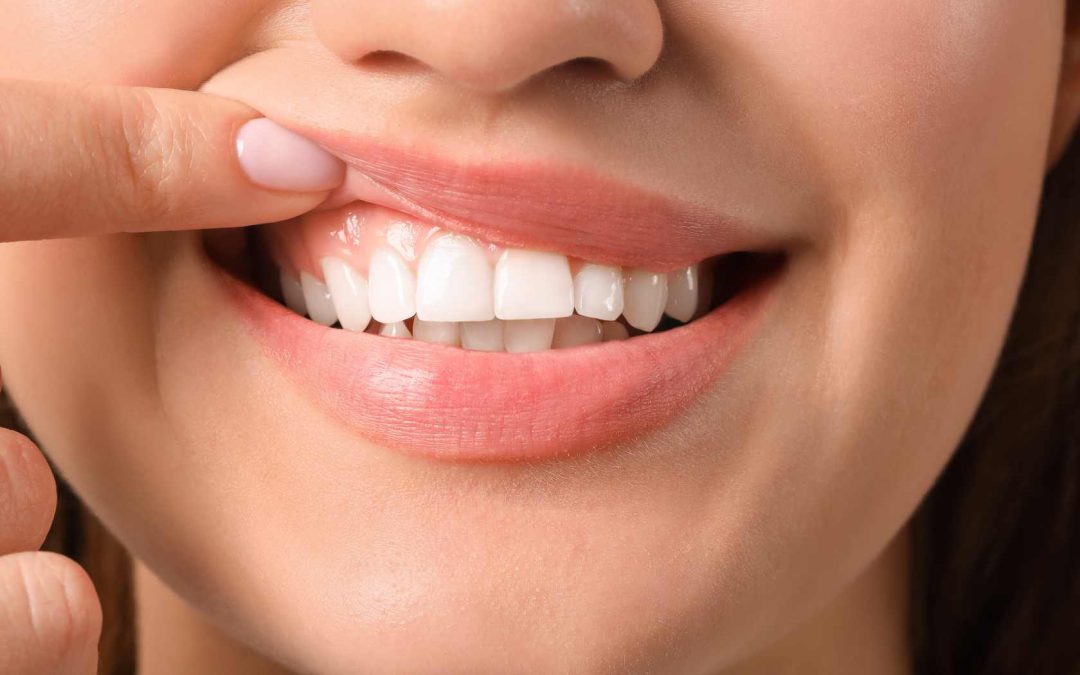
Are your gums pulling away from your teeth? Then you’re not alone. Gum recession is a common form of gum disease – and almost half of Americans have some form of gum disease.
Gum recession isn’t exclusively caused by gum disease. Its symptoms often appear the same regardless of its cause, however. In addition to a visibly receding gumline, these include:
- Bad breath
- Red, swollen gums
- Pain around gumline
- Bleeding after flossing or brushing
- Loose tooth (or teeth)
- Exposed tooth roots
If you’re experiencing signs of gum recession, then you’re probably wondering why – as well as what you can do to improve gum health and prevent further damage. Here are the basics so you can take action today!
Disclaimer: Only a dentist can diagnose gum disease (i.e. periodontal disease). If you suspect you have gum disease, it is imperative to get checked out so you can receive the best possible health advice; specifically, whatever your own dentist advises.
Causes of Gum Recession
As stated earlier, gum recession is a common sign of gum disease. Gum disease is typically caused by certain species of bacteria that occur naturally in the mouth, where they feed off sugar. These bacteria exude waste which accumulates on teeth as plaque. When plaque hardens, it becomes tartar.
If plaque is allowed to accumulate on teeth for a long enough time, it can spread its way under the gumline. There it continues to accumulate, potentially pulling the gum farther and farther away from the teeth until their connections to the jawbone (i.e. roots) are exposed. If gum recession remains untreated at this phase, tooth loss becomes likely.
Dental plaque isn’t the sole culprit behind gum recession. Overly aggressive brushing or flossing can also cause it. So too can genetics, smoking, and certain diseases such as diabetes and HIV. The hormonal surges that commonly accompany periods, puberty and pregnancy may also cause women to experience gum recession.
Treatment for Gum Recession
Maybe you are trying to avoid gum recession. Or maybe your gums are already receding, and you would like to slow or arrest their retreat. Either way, good oral hygiene can only help you. Brush and floss daily (although not too forcefully), and regularly visit your dentist for routine teeth cleanings. In addition to harmful plaque, your dental hygienist will remove hard-to-reach tartar before it can continue damaging your gums.
If your gum recession symptoms are severe enough, then your dentist may prescribe one or more medications. Common pharmaceutical treatments for gum recession include:
- Topical antibiotic gel, such as Arestin or Atridox, can be placed under the gums where it combats and eliminates infection.
- Antiseptic chips, such as PerioChip, can be inserted into gaps between teeth and gums where they release a potent antimicrobial agent.
- Antimicrobial mouthwash, which contains substances such as chlorhexidine and cetylpyridinium chloride, can destroy harmful bacteria.
- Enzyme suppressants, such as doxycycline, can prevent the body from producing certain catalysts that digest gum tissue.
If medication doesn’t slow or reverse gum recession, then surgery may. Two forms of surgery are commonly used to treat severe cases of receding gums:
- Flap surgery, in which infected gums are cut away, cleansed of bacteria and tartar, and then laid back in place
- Grafting, in which the dental surgeon implants a synthetic particle or living tissue in the mouth to promote gum regrowth
Are you experiencing gum recession, and want to take immediate action to preserve your smile? Or do you not have gum recession, and would like to keep it that way? If you live in the greater Logan, UT area, then we welcome you to contact All About Teeth today to schedule a consultation. From regular teeth cleaning to treatment for periodontal disease, we’re here to keep your gums healthy!
Recent Comments