
Preventative Dentistry
Regular checkups, combined with good oral hygiene will ensure your teeth last a lifetime. We offer exams, x-rays, fluoride treatments, TMJ screening, and more.
Keep Your Natural Teeth Healthy & Strong
All About Teeth provides preventive dentistry in Logan, UT. Preventative dentistry is important in maintaining good oral health. Our goal is to help you keep your natural teeth throughout your lifetime, ensuring your smile remains bright and beautiful! We accept patients of any age and work with all insurance companies.
Preventive dental not only makes your teeth look and feel good, it saves money over the long run. By investing in regular checkups now, and committing yourself to proper oral hygiene, you can avoid major dental work later. Regular checkups help us catch issues early, when treatment is most effective.
We’ll help you to understand how to properly care for your teeth. We encourage parents to be diligent about seeing that their children’s teeth are brushed and flossed regularly. Routine dental visits, scheduled twice per year, will ensure that your child’s mouth is developing as it should and that teeth and gums are healthy. These habits will set them up for a lifetime of beautiful smiles!
Preventive Prophylaxis
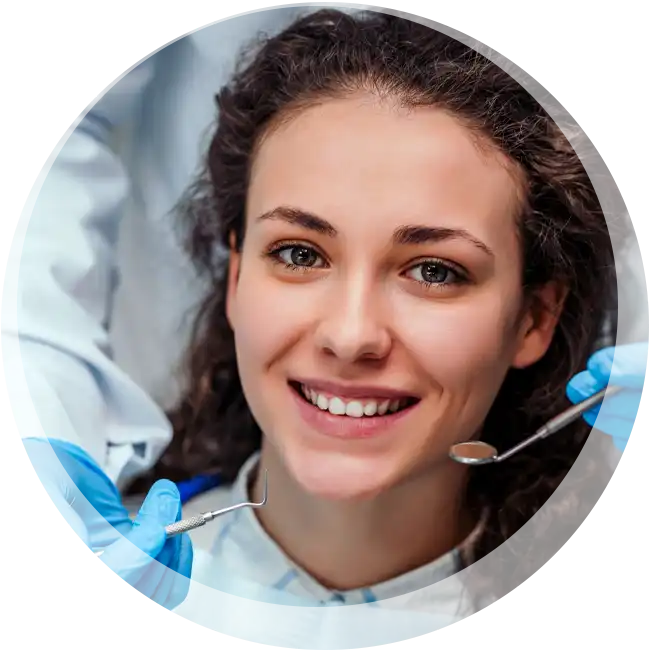
Prophylaxis consists of a thorough examination of your teeth and gums. This is a preventive measure to maintain the health of your teeth and gums. The procedure also involves a thorough teeth cleaning, removing tartar build up in hard to reach areas of your mouth. The latest equipment is used to provide scaling, polishing, and debridement when needed. Our dentists recommend very strongly that patients have their teeth professionally cleaned every six months.
Dental Sealants
A dental sealant is a very thin invisible plastic coating applied on the grooves on the surface of the back teeth where chewing occurs. This sealant protects them from decay. Some teeth have very deep crevices and grooves, which tend to collect germs and food particles unless they’ve been covered with a sealant. Most kids and teenagers who get cavities at an early age get them because of these food particles sticking to the surface in areas that are hard to clean.
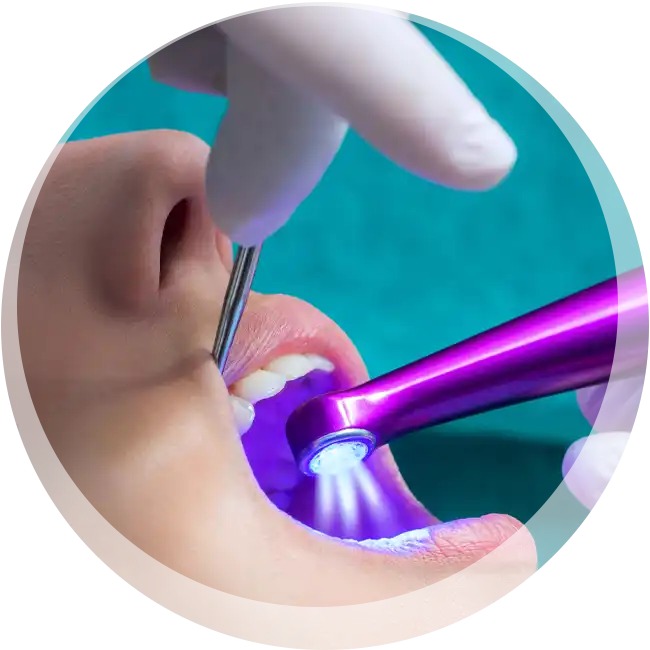
When our dentists apply the dental sealant, it takes very little time, is easy, and pain-free. First, the tooth is thoroughly cleaned. Then, a gel is applied to the chewing surface of the tooth for just a few seconds. The tooth is washed and dried before the sealant is simply painted on the surface of the tooth. To help the sealant to harden, a light is shined on it. The result is a shield on the tooth that protects it.
Dental Sealants
A dental sealant is a very thin invisible plastic coating applied on the grooves on the surface of the back teeth where chewing occurs. This sealant protects them from decay. Some teeth have very deep crevices and grooves, which tend to collect germs and food particles unless they’ve been covered with a sealant. Most kids and teenagers who get cavities at an early age get them because of these food particles sticking to the surface in areas that are hard to clean.
When our dentists apply the dental sealant, it takes very little time, is easy, and pain-free. First, the tooth is thoroughly cleaned. Then, a gel is applied to the chewing surface of the tooth for just a few seconds. The tooth is washed and dried before the sealant is simply painted on the surface of the tooth. To help the sealant to harden, a light is shined on it. The result is a shield on the tooth that protects it.
Fluoride Treatments
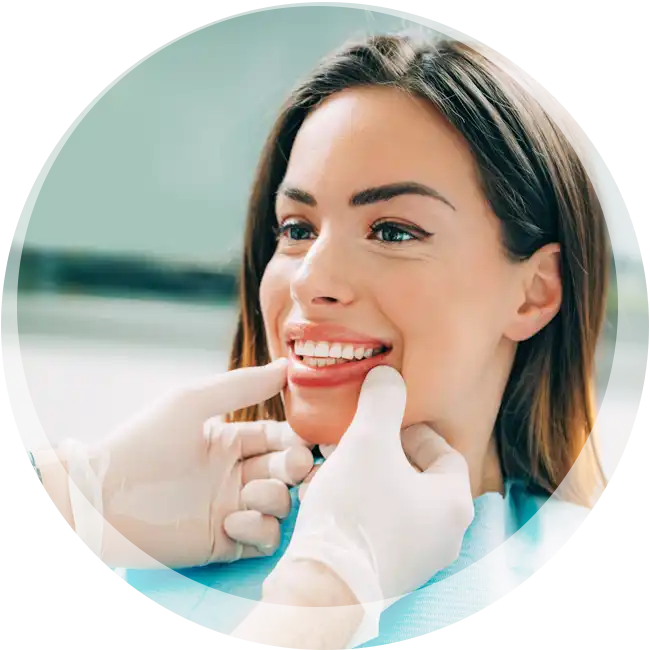
Fluoride is a natural mineral existing in food and water. The treatments help in the prevention of tooth decay, as well as protecting the surface enamel of the teeth. All About Teeth offers fluoride treatments as part of providing excellent dental care for our patients. The fluoride treatments carried out in our dental office in Logan contain a high concentration of fluoride to make it more effective in fighting decay and in strengthening the enamel.
Root Canal Therapy
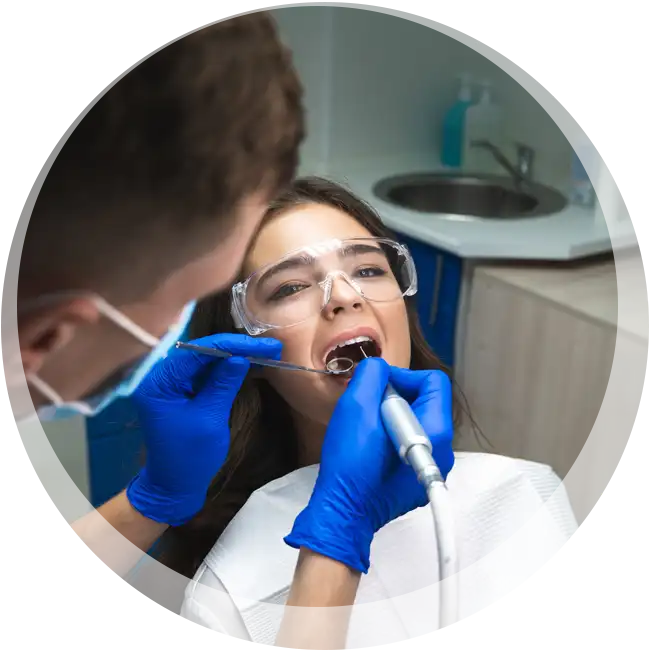
Root canal therapy or endodontic treatment can often be performed in one or two visits. All About Teeth examines and x-rays the tooth, then administers local anesthetic. After the tooth gets numb, a protective sheet is put over the area to isolate saliva from the tooth during the procedure. Then an opening in the crown is made to clean up the pulp from the pulp chamber and root canals and to shape the space for filling it.
After the space is cleaned, the root canals are filled with biocompatible material. A gutta percha is placed with adhesive cement to ensure complete sealing of the root canal. In most cases, a temporary filling is placed to close the opening. The patient will eventually have a crown or other restoration placed on the tooth to protect and restore it to full function. If the tooth lacks sufficient structure, a post may be put inside for restoration.
Root Canal Therapy
Root canal therapy or endodontic treatment can often be performed in one or two visits. All About Teeth examines and x-rays the tooth, then administers local anesthetic. After the tooth gets numb, a protective sheet is put over the area to isolate saliva from the tooth during the procedure. Then an opening in the crown is made to clean up the pulp from the pulp chamber and root canals and to shape the space for filling it.
After the space is cleaned, the root canals are filled with biocompatible material. A gutta percha is placed with an adhesive cement to ensure complete sealing of the root canal. In most cases, a temporary filling is placed to close the opening. The patient will eventually have a crown or other restoration placed on the tooth to protect and restore it to full function. If the tooth lacks sufficient structure, a post may be put inside for restoration.

TMJ
TMJ refers to the temporomandibular joint, which is the jaw joint. It is located just anterior to the ear and connects the lower jaw (mandible) to the skull. Problems with the joint, referred to as TMD or temporomandibular disorder, affect many people in the United States. TMD affects more women than men.
Signs and Symptoms
- Sore or tight muscles of mastication (muscles used to chew)
- Frequent headaches
- Jaw locking open or closed
- Clicking or popping of joint when opening or closing mouth
- Limited opening of the mouth
- Pain when chewing
TMJ Exam
- Thorough history
- Palpate muscles of mastication (chewing muscles)
- Palpate joint (check for clicking, popping, grating)
- Joint Loading test
- MRI
A TMJ screening is done routinely with a check-up exam. We perform the complete TMJ exam on patients who suffer from TMD symptoms.
Treatment
Treatment is decided upon on a case by case basis but may include one or more of the following:
- Occlusal splint
- Occlusal equilibration (adjusting bite) after a thorough occlusal evaluation
- Medications
- Physical therapy
- Surgery
Oral Cancer Screening
Early detection is the best way to combat any form of cancer. Oral cancer is no different. Diagnosing oral cancer through regular screenings is key to preventing and effectively treating the condition. Our goal is to find oral, neck, and head cancers as soon as possible when patients come in with symptoms of bleeding, pain, dysphagia, or otalgia. Our dentists can carefully examine the mouth and neck, which usually only takes a few minutes. This short exam is critical to the prevention, treatment, and cure of early-stage oral cancer.
About 37,000 Americans are diagnosed with oral cancer each year. Only 57% of those will be alive in 5 years. The reason that oral cancer has such a low survival rate is due to it being diagnosed in late stages. It is usually found after it has metastasized. This is not because it is difficult to find, but because people are not being checked for it.
You are the most important factor in the early detection of oral cancer. Although we screen for cancer when you have your teeth cleaned or when you come in for a complete exam, sometimes you will notice changes in between visits which should be evaluated.
Signs and Symptoms
Things to look for at home:
- Sore that doesn’t heal in 2-3 weeks
- Red, white, or blue patch
- Lump or thickening in the cheek
- Numbness in the mouth that wasn’t there before
- Swelling that causes dentures to fit poorly (not to be confused with a denture sore)
These symptoms could be caused by problems which are less serious, but should be checked to rule out oral cancer.
Risk Factors
- Alcohol and tobacco use
- Human Papilloma Virus
- Unknown (5%) — Genetics suspected
Historically, nearly 75 percent of oral cancer was related to alcohol and tobacco use and was found in the 50+ age group. Recently, Human Papilloma Virus (HPV) has started to change the trend. Younger, non-smokers are the fastest-growing group of oral cancer patients. This means that people ages 20 and up are at risk even if they don’t smoke.
Oral Cancer Screening
- Check face for asymmetry, swelling, discoloration, ulceration
- Palpate lymphatic chains
- Evaluate lips (inside and out)
- Evaluate cheeks (inside and out)
- Evaluate tongue (both sides and underneath)
- Evaluate floor of the mouth
- Evaluate soft palate
- Check tonsils

Oral Cancer Screening
Early detection is the best way to combat any form of cancer, and oral cancer is no different. Diagnosing oral cancer through regular screenings is key to preventing and effectively treating the condition. Our goal is to find oral, neck, and head cancers as soon as possible when patients come in with symptoms of bleeding, pain, dysphagia, or otalgia. Our dentists can carefully examine the mouth and neck, which usually only takes a few minutes. This short exam is critical to the prevention, treatment, and cure of early-stage oral cancer.
About 37,000 Americans are diagnosed with oral cancer each year. Only 57% of those will be alive in 5 years. The reason that oral cancer has such a low survival rate is due to it being diagnosed in late stages. It is usually found after it has metastasized. This is not because it is difficult to find, but because people are not being checked for it.
You are the most important factor in the early detection of oral cancer. Although we screen for cancer when you have your teeth cleaned or when you come in for a complete exam, sometimes you will notice changes in between visits which should be evaluated.
Signs and Symptoms
Things to look for at home:
- Sore that doesn’t heal in 2-3 weeks
- Red, white, or blue patch
- Lump or thickening in cheek
- Numbness in mouth that wasn’t there before
- Swelling that causes dentures to fit poorly (not to be confused with a denture sore)
These symptoms could be caused by problems which are less serious, but should be checked to rule out oral cancer.
Risk Factors
- Alcohol and tobacco use
- Human Papilloma Virus
- Unknown (5%) — Genetics suspected
Historically, nearly 75 percent of oral cancer was related to alcohol and tobacco use and was found in the 50+ age group. Recently, Human Papilloma Virus (HPV) has started to change the trend. Younger, non-smokers are the fastest growing group of oral cancer patients. This means that people ages 20 and up are at risk even if they don’t smoke.
Oral Cancer Screening
- Check face for asymmetry, swelling, discoloration, ulceration
- Palpate lymphatic chains
- Evaluate lips (inside and out)
- Evaluate cheeks (inside and out)
- Check tongue (both sides and underneath)
- Evaluate floor of mouth
- Evaluate soft palate
- Check tonsils
Preventative dentistry encompasses all the practices employed by dental professionals to care for your teeth and keep them healthy. This branch of dentistry aims to prevent oral diseases before they develop or progress, ensuring a lifetime of healthy smiles. Preventative measures include regular dental check-ups, cleanings, oral cancer screenings, and educational efforts to promote effective home care routines. By focusing on the early detection and prevention of oral health issues, preventative dentistry plays a crucial role in maintaining not just the health of the mouth, but the overall well-being of each patient.
The Importance of Preventative Care in Oral Health
Oral health is a critical component of overall health. Diseases and conditions such as gum disease, tooth decay, and oral cancer can have a profound impact on one’s quality of life, affecting their ability to eat, speak, and engage in social activities. Preventative dentistry is vital because it helps to avoid these issues, maintaining the integrity of the mouth and the health of the body. Through regular dental visits, patients receive a thorough cleaning that removes plaque and tartar, the primary culprits behind cavities and gum disease. Additionally, these visits allow dentists to identify potential problems early on, when they are most treatable, often preventing the need for more complex and invasive procedures.
How Preventative Dentistry Saves Money in the Long Run
Investing in preventative dentistry is not only beneficial for one’s oral and overall health but also makes financial sense. By identifying and addressing dental issues in their infancy, patients can avoid the need for expensive treatments such as root canals, bridges, crowns, or even tooth extractions and implants. For example, filling a small cavity is significantly less costly than performing a root canal and placing a crown on a tooth that has been allowed to decay extensively. Regular cleanings and check-ups, while involving a modest upfront cost, can prevent the accumulation of dental problems that result in hefty bills over time. Moreover, by preserving the natural teeth and preventing diseases like periodontitis, which has been linked to other health issues such as heart disease and diabetes, patients may also save on medical expenses related to the treatment of these conditions. In essence, preventative dentistry is an investment in one’s health, yielding dividends in the form of saved costs, reduced pain, and a higher quality of life.
Dental Cleanings and Exams
The Importance of Regular Cleanings and Exams
Plaque and Tartar Removal
Preventing Gum Disease and Tooth Decay
The primary goal of regular dental cleanings and exams is to prevent gum disease and tooth decay, two of the most common dental health issues. Gum disease begins as gingivitis but can progress to periodontitis, a more severe condition that can lead to tooth loss and has been linked to other health complications, including heart disease and stroke. Tooth decay, on the other hand, can lead to cavities, infection, and even the loss of the tooth if left untreated.
During the exam portion of your visit, the dentist will check for signs of decay, such as soft spots on the teeth or visible holes. They may also use x-rays to detect decay between teeth and under existing fillings. Early detection and treatment of these issues are crucial for maintaining the health of your teeth and gums and for preventing more severe problems that require complex and costly treatments.
In summary, regular dental cleanings and exams are an essential part of preventative care. They help to remove plaque and tartar, prevent gum disease and tooth decay, and allow for the early detection and treatment of dental issues. By committing to regular dental visits, patients can keep their teeth and gums healthy, avoid the need for more extensive dental work, and enjoy a beautiful smile for years to come.
Detecting Early Signs of Dental Issues
The Role of Digital X-rays and Advanced Diagnostic Tools
Beyond traditional X-rays, advanced diagnostic tools such as intraoral cameras, digital scans, and 3D imaging provide a more comprehensive assessment of oral health. Intraoral cameras, for example, can magnify the teeth and gums, giving a clear picture of the oral cavity that both the dentist and patient can view in real time. This not only aids in early detection but also enhances patient understanding and involvement in their treatment.
Digital scans and 3D imaging technologies offer another layer of precision, allowing for the visualization of the oral structure in three dimensions. This is particularly useful in planning complex dental procedures such as implant placement, orthodontics, and root canals, ensuring a higher degree of accuracy and success.
Identifying Potential Problems Before They Escalate
Gum disease is another condition where early detection is crucial. In its initial stages (gingivitis), gum disease can often be reversed with professional cleanings and enhanced oral care at home. However, if left untreated, it can progress to periodontitis, which may result in tooth loss and require extensive treatment to manage.
Furthermore, regular screenings can detect early signs of oral cancer, which is highly treatable when caught early but can be life-threatening if diagnosed at a later stage. The use of advanced diagnostic tools significantly improves the chances of identifying oral cancer and other serious conditions early on.
In summary, the role of digital X-rays and advanced diagnostic tools in detecting early signs of dental issues is invaluable. These technologies enable dentists to identify potential problems before they escalate, allowing for timely, effective, and often less invasive treatments. This proactive approach to dental care not only preserves the health and integrity of the teeth and gums but also contributes to the overall well-being of patients.
Personalized Dental Care Plans
Tailoring Exams Based on Individual Health Needs and History
We leverage the latest in dental technology and diagnostics to ensure that each aspect of your care is as precise and tailored as possible. For instance, digital X-rays and intraoral cameras help us to detect any underlying issues that may not be visible to the naked eye, allowing us to address potential problems before they escalate. This technology, combined with our expertise, enables us to create a dental care roadmap that is specifically designed for you.
Our personalized approach extends beyond diagnostics. We understand that your oral health goals—whether they involve maintaining optimal health, restoring function, or enhancing aesthetics—are unique to you. As such, we work closely with you to understand these goals and to develop a plan that meets your needs and expectations. Whether you require routine preventive care, specialized treatments, or cosmetic enhancements, we are here to guide you every step of the way.
Education is also a key component of our personalized care philosophy. We believe in empowering our patients with the knowledge they need to make informed decisions about their dental health. During your visits, we will provide you with tailored advice on home care practices, nutritional counseling, and habits that can help maintain your oral health and support your dental care plan.
By focusing on personalized dental care plans tailored to each patient’s unique health needs and history, we aim to build lasting relationships and ensure the best possible outcomes for your oral health. Your smile is as unique as you are, and we are dedicated to keeping it healthy, bright, and beautiful for a lifetime.
Oral Cancer Screenings
At All About Teeth, we understand the critical importance of early detection in the successful treatment of oral cancer. This understanding drives our commitment to providing comprehensive oral cancer screenings as a fundamental part of our preventative care services. Utilizing a combination of expertise, experience, and advanced technology, we aim to identify signs of oral cancer at its earliest, most treatable stages.
Methods of Screening
Our oral cancer screening process is thorough and designed to evaluate not just the mouth, but also the throat and adjacent structures. We incorporate a variety of methods to ensure comprehensive screenings.
Visual Examination
Special Lights or Dyes
Advanced Screening Technologies
Our comprehensive approach to oral cancer screening reflects our dedication to your health and well-being. We believe in the power of prevention and early detection and are committed to using every tool at our disposal to protect you from oral cancer. By including oral cancer screenings as a routine part of your dental check-ups, we not only aim to maintain your oral health but also contribute to your overall health and peace of mind.
At All About Teeth, your health is our highest priority. Our oral cancer screening process is a testament to our commitment to your care, designed to offer reassurance and early intervention when necessary. Trust us to be your partners in health, ensuring your smile stays bright and healthy for years to come.
Frequency and Importance
Recommended Screening Intervals
High-Risk Factors
Early Detection Benefits
Dental Sealants and Fluoride Treatments
Benefits for Adults and Children
Protection Against Decay
Long-Term Oral Health Advantages
The Application Process for Sealants
The process for applying dental sealants is quick, painless, and non-invasive. It typically involves the following steps:
- Cleaning the tooth surface thoroughly to prepare it for the sealant.
- Drying the tooth and placing an absorbent material around it to keep it dry.
- Applying an acid solution to the chewing surfaces to roughen them up, which helps the sealant bond to the tooth.
- Rinsing and drying the tooth again before applying the sealant onto the tooth’s grooves.
- Using a special light to harden the sealant.
Types and Methods of Fluoride Treatment
Aftercare and Longevity
Sealants can last for several years under the force of normal chewing and can be reapplied if necessary. We’ll check the condition of the sealants during your regular dental visits and reapply them if the protective shield wears off. For fluoride treatments, no special aftercare is needed, but we recommend avoiding eating or drinking for 30 minutes after treatment to allow the teeth to absorb the fluoride fully.
At All About Teeth, we believe that preventative measures like sealants and fluoride treatments are essential to maintaining oral health. By integrating these treatments into your regular dental care routine, you’re taking a proactive step towards protecting your teeth for years to come.
Home Oral Care Education
Daily Oral Hygiene Best Practices
Brushing and Flossing Techniques
The Importance of Choosing the Right Oral Care Products
The Role of Diet in Oral Health
Nutritional Counseling for Dental Health
Habits to Avoid
Preventative Measures for Specific Conditions
Periodontal Disease Prevention
Periodontal disease, or gum disease, is one of the leading causes of tooth loss among adults. Prevention starts with good oral hygiene practices, including regular brushing and flossing to remove plaque. Additionally, regular professional cleanings at our office are essential to remove tartar, which brushing and flossing alone cannot eliminate.
Early Signs and Preventative Strategies
Protecting Against Tooth Sensitivity
Many of our patients experience tooth sensitivity, which can be caused by worn tooth enamel or exposed tooth roots.
Causes and Preventative Products
Preventing Tooth Wear and Erosion
Tooth wear and erosion can result from several factors, including bruxism (teeth grinding), acidic food and drink consumption, and improper brushing techniques.
Addressing Bruxism (Teeth Grinding) and Acidic Damage
At All About Teeth, we believe in a proactive and preventative approach to dental care. By educating our patients about the risks and providing personalized strategies for prevention, we aim to keep your smile healthy and strong. Whether it’s addressing early signs of periodontal disease, helping you manage tooth sensitivity, or protecting your teeth from wear and erosion, our team is here to support you every step of the way. Together, we can prevent specific dental conditions and maintain your oral health for years to come.
Special Considerations for Children and Adolescents
The Importance of Early Dental Visits
Pediatric Sealants and Fluoride Applications
Orthodontic Assessments and Preventative Care
Preventative orthodontic care might include the use of appliances to guide the growth of the jaws or to reserve space for incoming permanent teeth. Our goal is to ensure that each child has the opportunity to develop a healthy, functional, and aesthetically pleasing smile.
At All About Teeth, we are dedicated to providing children and adolescents with the care and education they need for optimal dental health. We believe that by focusing on preventative care and early treatment, we can help our younger patients avoid many common dental issues and enjoy the benefits of a healthy smile well into adulthood. Our team is here to support your family every step of the way, from the first tooth to the full adult smile.
TMJ and Bruxism Screening and Management
Understanding TMJ Disorders and Symptoms
Preventative Strategies and Protective Devices
Management of Bruxism to Prevent Wear and Tear
At All About Teeth, we are committed to providing comprehensive care for patients experiencing TMJ disorders and bruxism. We believe in a holistic approach that not only addresses the symptoms but also focuses on prevention and long-term management. Our team is here to support you through every step of your treatment, ensuring that you achieve relief from discomfort and protection for your teeth and jaw. Let us help you navigate the complexities of these conditions with personalized care and expert guidance.
Custom Preventative Care Programs
Programs for Athletes: Mouthguards and Injury Prevention
Special Programs for Seniors: Addressing Age-Related Dental Concerns
Preventative Care for Patients with Chronic Conditions
At All About Teeth, our custom preventative care programs are designed to meet you where you are, offering specialized support that considers your unique circumstances and needs. Whether you’re an athlete looking to protect your smile, a senior navigating the dental implications of aging, or someone managing a chronic condition, we’re here to provide the preventive care and education you need to maintain your oral health. Let us work with you to create a personalized care plan that supports your dental and overall well-being.
FAQs on Preventative Dentistry
How often should I really be visiting the dentist?
Can diet really affect my oral health?
What’s the best way to brush and floss?
Are electric toothbrushes better than manual ones?
Is mouthwash necessary?
Can dental problems really affect my overall health?
What are the signs I should watch for that indicate I need to see a dentist?
How can I protect my teeth from cavities?
Why is flossing so important?
How do I know if I have gum disease?
Is teeth whitening safe?
How can I get my kids to brush their teeth?
Tips for Maintaining Optimal Oral Health Between Visits
- Stay Hydrated: Drinking water throughout the day helps to wash away food particles and reduce plaque.
- Chew Sugar-Free Gum: Chewing gum after meals can increase saliva flow, helping to neutralize acid and remineralize your enamel.
- Limit Snacking: Frequent snacking can increase your risk of cavities. If you do snack, choose healthy options and rinse your mouth with water afterward.
- Use Dental Products with Fluoride: Fluoride strengthens enamel and helps prevent decay. Use toothpaste and mouthwashes that contain fluoride.
- Wear a Mouthguard When Necessary: If you play sports or grind your teeth at night, wearing a mouthguard can protect your teeth from injury and wear.
Preventative care is the cornerstone of good dental health. Regular dental visits, proper home oral hygiene, and timely interventions can prevent the development of serious dental problems, saving you from discomfort and extensive treatments in the future. Our goal is to ensure that you and your family enjoy a lifetime of healthy smiles, and we’re here to support you every step of the way.
We cannot overemphasize the importance of regular dental check-ups and cleanings. These visits are crucial for detecting early signs of dental issues and taking preventive steps to avoid them. Whether you’re due for a routine cleaning, interested in protective treatments like sealants and fluoride applications, or have specific dental concerns, we’re here to provide the care you need.
Ready to prioritize your dental health? Contacting us is easy:
- Phone: Give us a call at (435) 752-7874 to speak with our friendly staff and schedule your appointment.
- Address: Visit us at 1230 N 200 E, Logan, UT 84341. We’re conveniently located for all our patients in Logan and surrounding areas.
- Online: For more information about our services, team, and to book an appointment online, click on “Book Appointment.”
We’re accepting new patients and treat individuals of all ages, from the youngest members of your family to the eldest. With digital X-rays for your safety, financing options available O.A.C., and insurance processing, we make dental care easy and accessible for everyone.
Don’t wait until you’re in pain to see a dentist. Sign up today to get an appointment soon, and take the first step towards a healthier smile and a healthier you. At All About Teeth, your smile is our priority. Let’s work together to keep it bright and healthy for years to come.